




What is IBS?
Irritable Bowel Syndrome (IBS) is a common, long-term condition that affects how your gut works. It’s one of the most frequently diagnosed gut conditions in the UK, affecting roughly 1 in 10 people. IBS does not damage your bowel and is not linked to bowel cancer — but it can significantly affect your quality of life and daily routine.
There are four types of IBS:
- IBS-D (Diarrhoea-predominant): Frequent loose stools and urgency to go to the toilet
- IBS-C (Constipation-predominant): Difficulty going, hard or infrequent stools
- IBS-M (Mixed): Alternating between diarrhoea and constipation
- IBS-U (Unclassified): Symptoms that don’t clearly fit any of the above
Knowing your IBS type matters because different types respond to different dietary approaches.
Common symptoms of IBS
- Tummy pain or cramping — often relieved after going to the toilet
- Bloating and swelling — a feeling of fullness or tightness in your abdomen
- Changes in bowel habits — diarrhoea, constipation, or both
- Excessive wind (flatulence)
- Mucus in your stools — without blood (blood in stools should always be checked by your GP)
- Urgency — sudden strong urge to go to the toilet
- Feeling of incomplete emptying after going to the toilet
Symptoms can vary from day to day and often get worse during stressful periods. If any of this sounds familiar, it’s worth speaking to your GP.
Working with an IBS & FODMAP Dietitian
Diet is one of the most effective tools for managing IBS — but it needs to be done properly. The Low FODMAP diet, developed by researchers at Monash University in Australia, is currently the most evidence-based dietary approach available. Studies show it reduces symptoms in around 50–75% of people with IBS when guided by a specialist dietitian.
Why do you need a dietitian rather than doing it alone?
- To protect your nutrition: The elimination phase cuts out several foods temporarily. Without expert guidance, it’s easy to miss out on important nutrients like calcium, fibre and iron.
- To avoid unnecessary restriction: Many people cut out far more than they need to. A dietitian helps you identify only your personal triggers — so you can eat as freely as possible.
- To safely reintroduce foods: The reintroduction phase is where most people go wrong without support. A structured approach means you find out exactly what you can and can’t tolerate.
- To check for other conditions: Your dietitian can identify whether other conditions (such as coeliac disease or lactose intolerance) might be contributing to your symptoms, and recommend appropriate tests.
What to expect from your dietitian appointments
A thorough initial assessment:
Before recommending anything, your dietitian will spend time understanding your full picture — your current diet, your symptoms, your lifestyle, your stress levels and your medical history. No two people with IBS are the same, and your plan will be built around you.
A step-by-step dietary approach:
Your dietitian won’t jump straight to the Low FODMAP diet. They’ll first check whether simpler changes — like eating more regularly, reducing fizzy drinks, or adjusting fibre intake — might already make a difference. This follows the latest BDA and NICE guidelines for IBS.
Support for the mind-gut connection:
Stress, anxiety and poor sleep are well-known triggers for IBS flare-ups. Your dietitian will talk to you about this connection and, if appropriate, can refer you to evidence-based therapies such as cognitive behavioural therapy (CBT) or gut-directed hypnotherapy — both of which have strong clinical evidence for IBS.
Regular check-ins and ongoing support:
Your symptoms will be monitored at each appointment, and your plan adjusted as needed. The goal is for you to eventually manage your diet confidently and independently — with as few restrictions as possible.
Why choose an HCPC-registered dietitian?
In the UK, the title “Dietitian” is legally protected and regulated by the Health and Care Professions Council (HCPC). This means that only qualified, registered professionals are allowed to use it. When you see an HCPC-registered dietitian, you can be confident that your care meets strict professional and safety standards.
Our team has over 15 years of experience in gut health nutrition, with specialist training in the full three-phase Low FODMAP protocol. We take an evidence-based approach to every consultation — meaning your plan is built on research, not guesswork.
Ready to start managing your IBS with expert support?
Book a consultation with our IBS & FODMAP dietitian team today.

Food intolerance test
If you suffer from conditions and symptoms like IBS, bloating, constipation, migraines, or eczema, your diet may be the culprit. Some foods we eat can cause digestive issues, which we call food intolerance. If you are experiencing any of the symptoms listed above, one of our expert team members can help you identify the triggers and guide you with the right dietary advice.
Book Now
DNA test for diet and exercise
We all have different genetic makeup so we shouldn’t have generic advice for diet and exercise, right? So if you want to deeply understand your body and optimise your health and finish the guesswork game, the DNA diet and exercise test is for you. With a simple saliva sample, you will receive a very detailed report with important information about your diet and exercise ensuring you have an effective and personalised weight loss plan.
Book Now
Online Consultations
If you don’t live in London or you prefer the comfort of your home, you can opt for a virtual consultation with our expert nutritionists. We have more than 10 years of experience dealing with clients from anywhere in the world, our clientele comes from more than 80 different countries. That is not only important for our experience with different cultures, but also for our knowledge and understanding of products, brands and services available in different countries.
Book NowFAQs for IBS treatment
If your gut symptoms are affecting your day-to-day life — your work, social life, sleep or mental wellbeing — then seeing an IBS dietitian is a good next step. You don’t need to be suffering severely. Even mild-to-moderate symptoms that are persistent or unpredictable are worth getting proper dietary support for. Your GP may refer you directly, or you can book privately. The sooner you get the right guidance, the easier it is to identify your triggers and get back to feeling like yourself.
For most people with IBS, the Low FODMAP diet gives the best results — research shows it helps around 3 in 4 people. However, it’s not the right starting point for everyone. Your dietitian will first check whether simpler dietary changes (like eating more regularly, reducing caffeine, or adjusting your fibre intake) are enough to help. If not, the structured three-phase Low FODMAP diet is introduced with full support. The key is having it tailored to you — a one-size-fits-all approach rarely works as well.
The Low FODMAP diet is not a diet you follow forever — it’s a structured, time-limited plan with three phases. Phase 1 (the elimination phase) usually lasts 2–6 weeks. Phase 2 (reintroduction) takes another 6–10 weeks. By the end of Phase 2, you’ll know exactly which foods affect you and which ones you can enjoy freely. Phase 3 is your personalised long-term diet, built on what you’ve discovered. Most people complete the full process within 3–6 months.
Your IBS dietitian will do much more than just hand you a list of foods to avoid. They’ll start with a full assessment of your diet, symptoms and health history. They’ll then build a personalised plan that fits your lifestyle, food preferences and IBS type. Throughout the process, they’ll guide you through all three phases of the Low FODMAP diet, track your symptoms, make sure your nutrition stays balanced, and help you reintroduce foods safely to find your personal tolerance levels. The aim is always to give you the most flexible and nutritionally complete diet possible — not to restrict you more than necessary.
Everyone’s IBS is different, so your plan is built specifically around you. Your dietitian will ask about your symptoms, your IBS type (diarrhoea-predominant, constipation-predominant, or mixed), your food preferences, your culture and cooking habits, your work schedule, and any other health conditions you have. From there, they build a Low FODMAP meal plan using foods you actually enjoy and have access to. As you go through the phases, the plan is updated based on how your body responds. The goal is a diet that works for your life — not a generic template.
During the elimination phase, you’ll receive a personalised meal plan, clear written guidance on which foods to include and avoid, and a simple symptom diary to complete. Your dietitian will check in with you regularly to review how you’re getting on, answer questions, and make sure you’re not missing out on important nutrients — particularly fibre and calcium. You won’t be left to figure it out alone. Our clinic provides ongoing support throughout all phases, so you always have someone to turn to if you’re unsure.
Booking is simple — you can book online directly from this page. We offer appointments both in-person at our London clinic and online via video call, so you can choose whichever suits you best. Click the booking button above to choose a date and time that works for you.
This varies depending on how severe your symptoms are, how quickly you respond to the dietary changes, and how many phases of the Low FODMAP protocol you need to go through. As a rough guide, most people benefit from 3–5 appointments spread over 3–6 months to complete the full process properly. Your dietitian will discuss this with you at your first appointment and give you a clear plan. There’s no pressure to book more sessions than you need.
Yes — some tests can give useful extra information. For example, a breath test can check for conditions like small intestinal bacterial overgrowth (SIBO) or difficulty digesting certain sugars (like lactose or fructose), which can make IBS worse. A coeliac blood test is also recommended before starting the Low FODMAP diet, to rule out coeliac disease, which can cause very similar symptoms. Your dietitian will advise you on whether any tests are relevant for you during your first appointment.
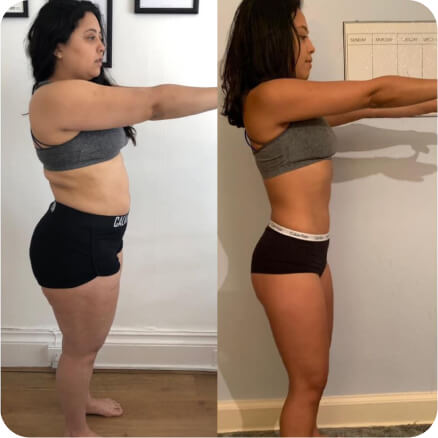
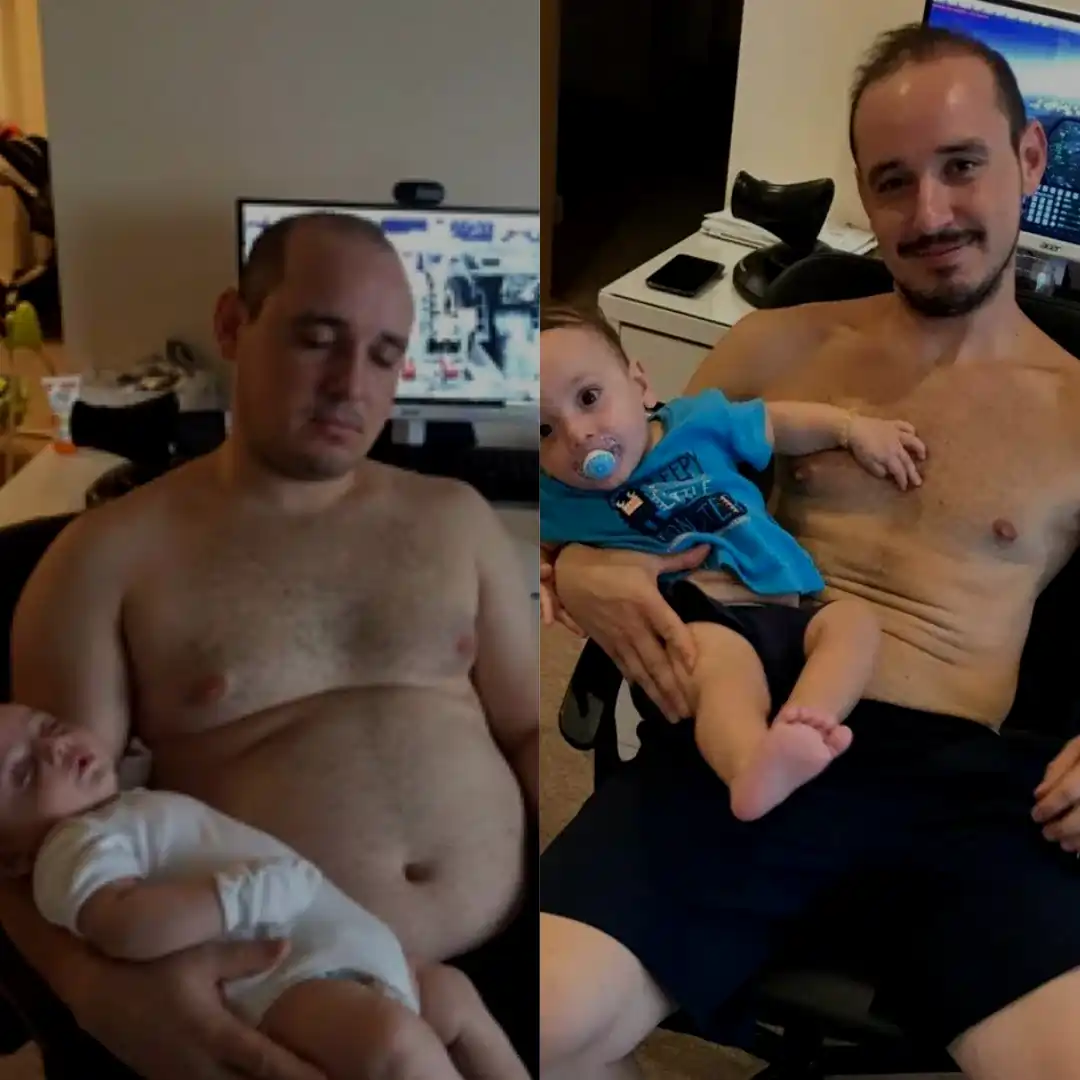

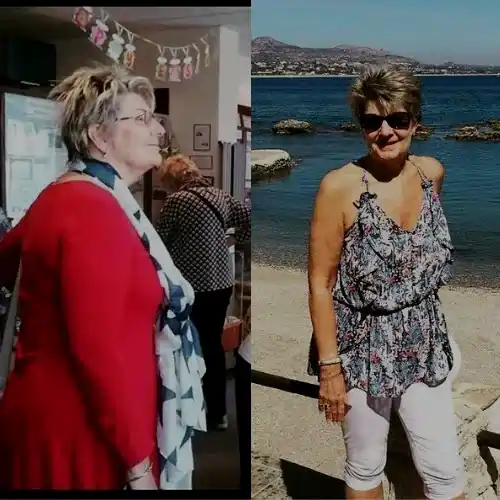


Ready to lose weight for good?
Book your tailor-made body transformation plan for results that last a lifetime
