Image Image

Best Diet for Thyroid Function and Weight Control

best diet for thyroid

The Thyroid: Essential for Regulating Various Bodily Functions

In this article, we will explore the best diet for thyroid function and weight control. Because it is not a straightforward topic, firstly we will explain thyroid function and thyroid issues in more detail.

The thyroid is crucial for regulating numerous processes in the body and is involved in nearly all bodily functions. Any changes in its functioning can impact metabolism. The thyroid produces thyroid hormones, which are vital for activating many mechanisms in the body, including weight management. If the nutrient supply to the thyroid is insufficient or if there is pre-existing inflammation, there may be inadequate synthesis of thyroid hormones. Therefore, it’s essential to evaluate each case individually and seek nutritional guidance from a nutritionist or dietitian. This will help tailor a diet that supports thyroid function and promotes overall health, including healthy weight management.

What is the Thyroid?

The thyroid is a gland located at the base of the neck. It is stimulated by TSH (Thyroid-Stimulating Hormone), which promotes the production of two other hormones essential for metabolism: Thyroxine (T4) and Triiodothyronine (T3). T4 is produced in larger quantities but is less metabolically active, whereas T3 is the more active form, though produced in smaller amounts. However, T4 can be converted into T3 in the body, which is crucial for maintaining proper and balanced metabolic function, as a deficiency in one can compromise the production of the other, affecting the body’s functioning and lowering the quality of life.

In situations of inflammation, such as obesity, there can be hormonal dysregulation and alterations in bodily functions. The thyroid contributes to regulating metabolism and energy balance, which can influence appetite and body weight. Additionally, keeping the thyroid healthy helps regulate basal metabolic rate, promotes thermogenesis, and minimises body fat accumulation. Therefore, there is a direct relationship between obesity and thyroid function, as weight gain, an inflammatory process, can disrupt the production and action of thyroid hormones.

Since the thyroid produces hormones that impact overall health and well-being, it is important to assess whether these hormone levels are appropriate before starting a weight loss programme. Overproduction or deficiency of these hormones can result in hyperthyroidism or hypothyroidism, respectively. These conditions can cause problems in the body, which can be minimised with proper nutritional guidance, and planning a diet that healthily stimulates the thyroid.

What Are the Types of Thyroid Problems?
thyroid treatment

Thyroid issues can arise from imbalances in the production of thyroid hormones (TH) and other pre-existing metabolic changes. TH influence the entire body’s functioning and can affect energy expenditure, as well as other organs like adipose tissue, the brain, liver, and pancreas.

Examples of problems that can occur when there is a thyroid imbalance include:

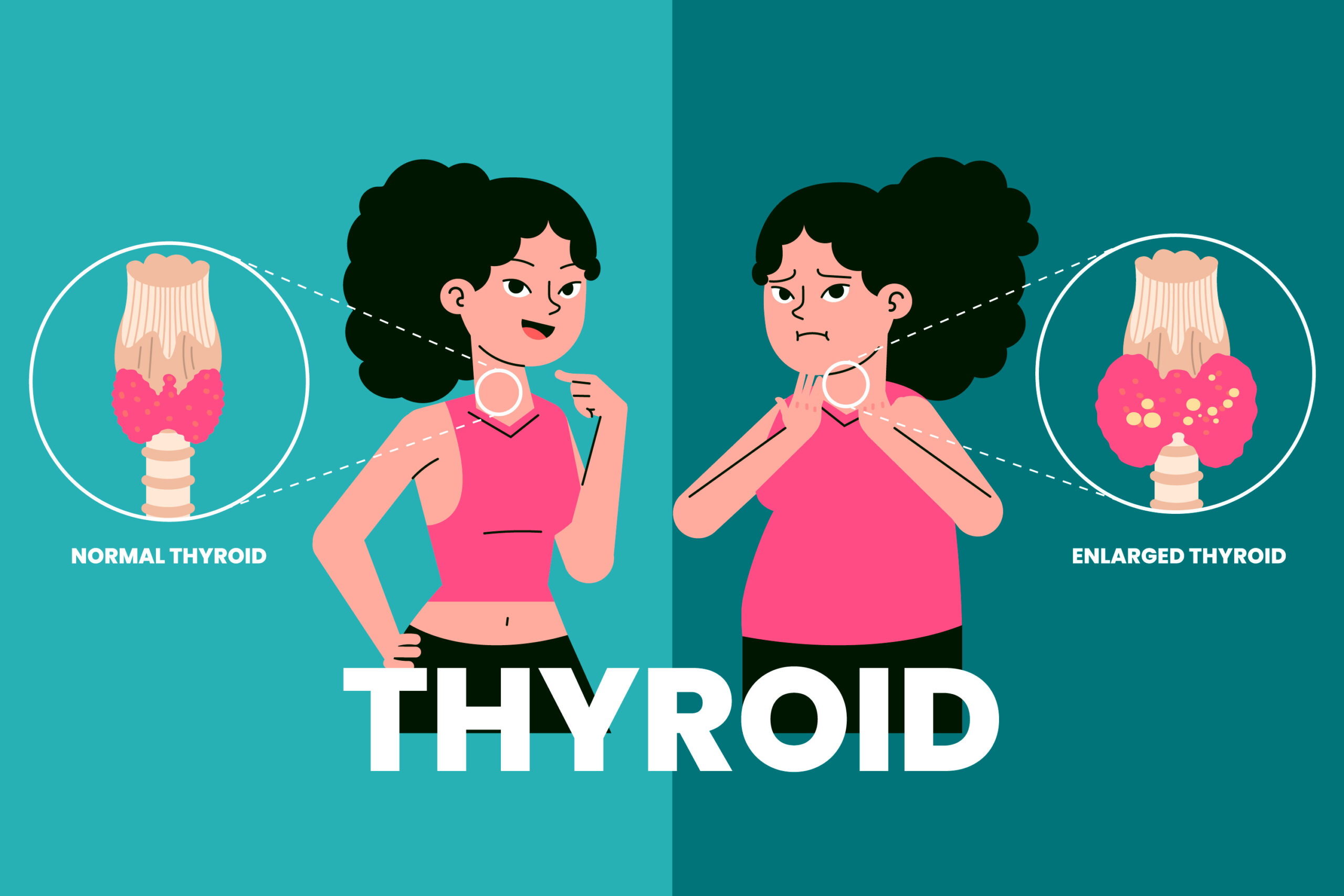
Hypothyroidism: This condition is associated with reduced TH levels, leading to decreased energy expenditure even at rest, resulting in a slower metabolism. This can lead to weight gain, increased cholesterol levels, and reduced fat breakdown, thereby increasing the risk of cardiovascular disease and Diabetes Mellitus. This condition can also be caused by iodine deficiency in the diet or autoimmune diseases.

Hyperthyroidism: Linked to increased TH production, this condition can raise resting energy expenditure and overstimulate the metabolism. It can be caused by thyroid inflammation, autoimmune diseases, or thyroid nodules. Symptoms may include hyperactivity, weight loss, anxiety, nervousness, tachycardia, and reduced cholesterol levels.

Hashimoto’s Disease: An autoimmune form of hypothyroidism where the immune system attacks the thyroid, potentially leading to the gland’s destruction. Blood tests for thyroid antibodies are necessary for diagnosis. Symptoms may include nervousness, gastrointestinal and cardiovascular issues, mood swings, and chronic fatigue.

Thyroid Nodules: Lumps that can form in the thyroid. These nodules can be benign (non-cancerous) or malignant (cancerous). Typically, there are no symptoms, but they may cause discomfort such as pain, difficulty swallowing, and voice changes. Evaluations might include TSH levels, ultrasound, and biopsy if necessary.

Graves’ Disease: An autoimmune disorder where the immune system attacks the thyroid, causing it to produce excess hormones. This condition leads to hyperthyroidism, and symptoms may resemble those of hyperthyroidism, along with prominent eyes.

Thyroid Cancer: Various types of thyroid cancer can develop in different parts of the gland for numerous reasons, such as overstimulation of thyroid cells. Symptoms may include neck pain, difficulty speaking, breathing, and swallowing. Diagnosis is confirmed through biopsy, imaging tests, and patient-reported symptoms.

Thyroiditis: Inflammation of the thyroid gland, where cases of hyperthyroidism followed by transient or permanent hypothyroidism can occur. As an autoimmune disorder, symptoms are similar to those of hypothyroidism. There are two forms: Subacute Thyroiditis, an inflammatory disease caused by viral infection, and Postpartum Thyroiditis, which occurs within one year after childbirth.

Goitre: This can occur due to iodine deficiency in the diet. As iodine is essential for thyroid function, reduced iodine intake forces the thyroid to compensate, potentially leading to goitre. Symptoms include visible swelling in the neck, which can cause difficulty swallowing or breathing.

Given the various changes that can occur due to thyroid hormone imbalances, it’s crucial to consider the most specific treatment and diet for each case. These changes can have different impacts on health and body weight. It is ideal to seek guidance with a registered dietitian or nutritionist to tailor the best nutritional treatment.

What Are the Best Foods to Eat for Weight Loss with Thyroid Issues?


The nutrients consumed in the diet can affect thyroid development. Certain vitamins and minerals are essential for thyroid gland function and regulation, as well as for weight loss. These nutrients include iodine, selenium, iron, zinc, magnesium, vitamin D, and the B complex.

For these nutrients to be absorbed in the intestine, gut health must be evaluated, as an imbalance in gut bacteria can lead to nutrient deficiencies. Thus, consuming fewer foods rich in the vitamins and minerals mentioned above may increase the likelihood of thyroid issues and weight gain.

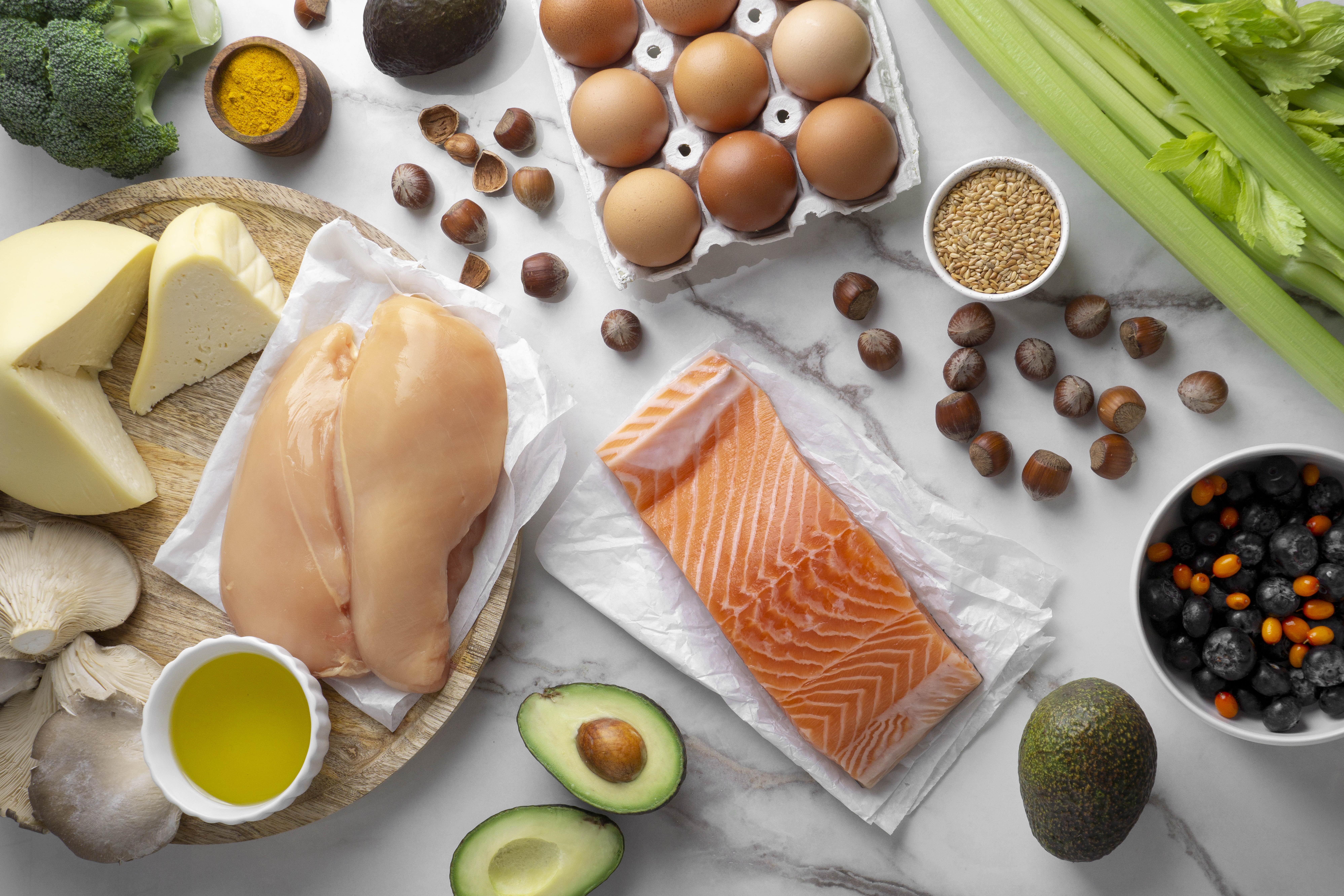
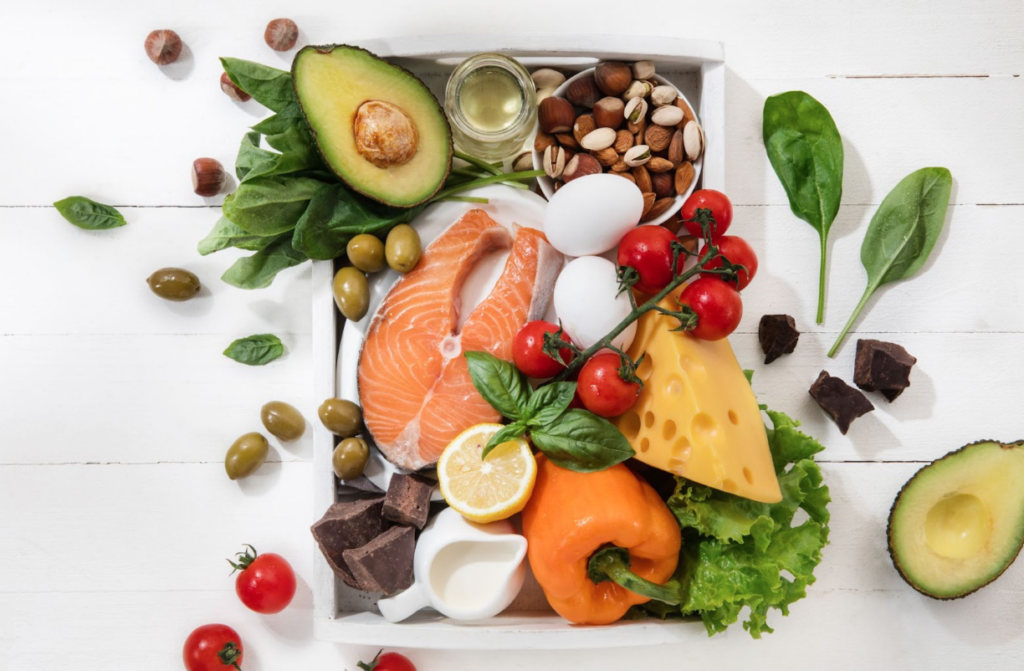
The best foods for supporting thyroid health and weight loss include nuts and seeds, eggs, fish and seafood, lean protein sources, mushrooms, berries, and dark green vegetables. It’s important to combine diet with a healthy lifestyle to manage stress and achieve better quality of life.

The Most Beneficial Diets for Thyroid Health and Weight Loss

The effects of diet on weight loss and thyroid health depend on each individual’s metabolism, so each diet needs to be personalised, balanced, and tailored to individual needs.

Certain diets can positively impact weight loss and support thyroid function. These nutritional strategies aim to reduce inflammation by providing foods with antioxidant properties. Additionally, low glycemic index (GI) diets tend to help with weight control by promoting satiety and supporting thyroid function.  The low GI diet provide foods that release glucose slowly into the bloodstream due to their lower simple carbohydrate content.

MEDITERRANEAN AND PLANT-BASED DIET

Mediterranean and Plant-Based Diets can be beneficial for thyroid health and weight loss. Consuming fruits and vegetables protects against the development of metabolic diseases such as diabetes, obesity, cardiovascular diseases, and thyroid disorders. Therefore, these two strategies are effective in promoting weight loss and thyroid health. 

CALORIE DEFICIT DIET

Managing caloric intake is one factor that may influence overall metabolism, but thyroid health is complex and requires a tailored approach.

The caloric deficit should also be considered to reduce the inflammatory process associated with weight gain and to support thyroid function. By reducing daily caloric intake, thyroid hormones can be better activated, contributing to a balanced metabolism. 

INTERMITTENT FASTING

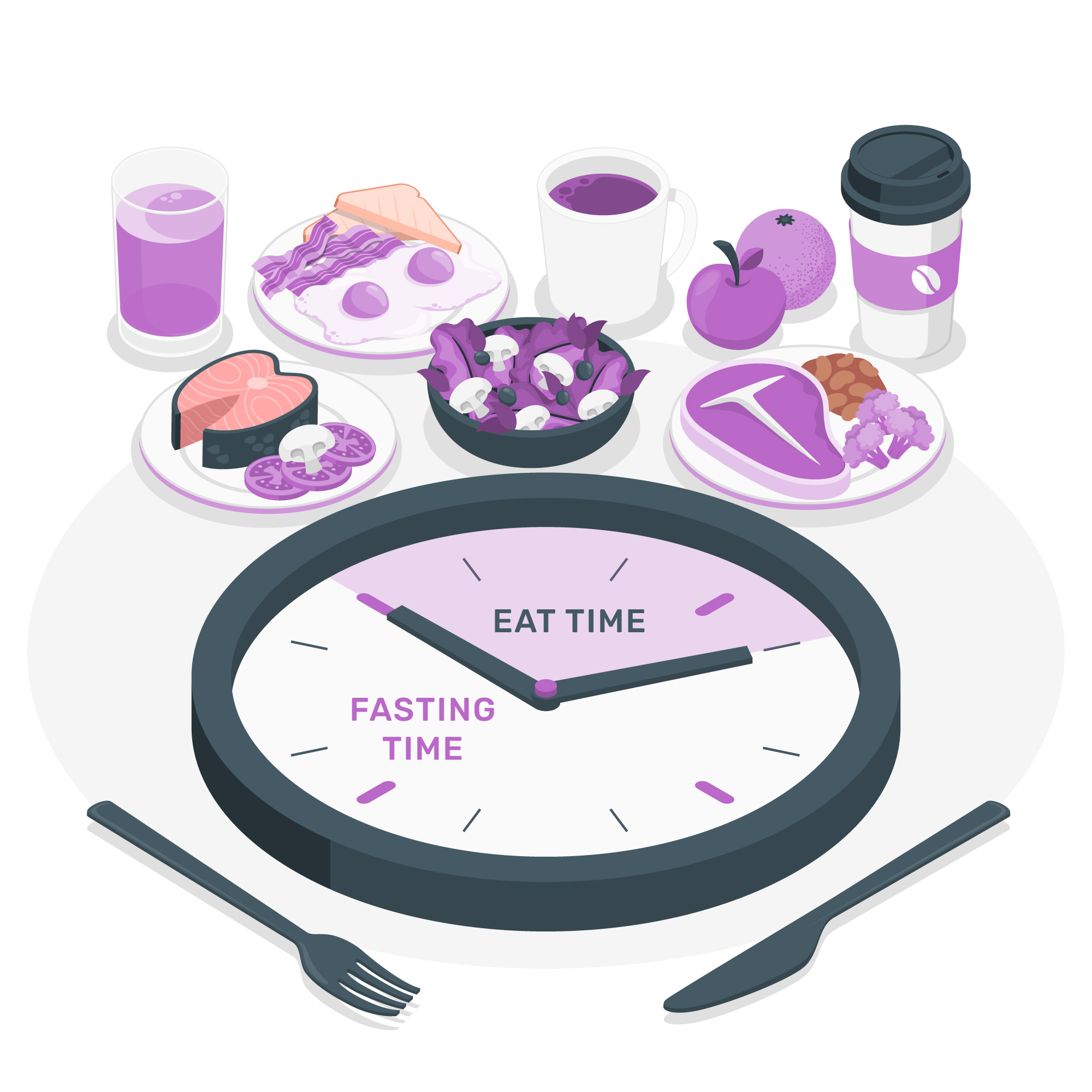
Intermittent fasting may have metabolic benefits, such as improved glycemic control and lipid profile. However, consult with a healthcare provider before making changes to your diet. This may occur because glucose availability to cells is more balanced and possibly reduced, leading to greater satiety, reduced cancer cell proliferation, and less body fat accumulation.

What to Avoid and Why

Several factors can influence thyroid function, including external environment and lifestyle choices such as diet, physical activity, and social life. It’s essential to understand what choices to make and which foods to avoid to ensure healthy thyroid performance.

GLUTEN and SOY

Some individuals with autoimmune thyroid conditions, like Hashimoto’s, may find it beneficial to limit gluten or soy, but it’s important to consult a healthcare professional before making significant dietary changes.

CRUCIFEROUS VEGETABLES

Cruciferous vegetables, such as broccoli, cauliflower, and kale, may directly affect the thyroid because they contain a nutrient that can inhibit iodine absorption from food. Since iodine is important for thyroid function, it’s crucial to balance cruciferous vegetable consumption with iodine to maintain thyroid health. The exact amount of cruciferous vegetables that might negatively affect the thyroid is still unknown.

CAFFEINE

Caffeine and alcohol can reduce the absorption of vitamins and minerals in the gut. They decreasing the availability of nutrients essential for thyroid function. Additionally, excessive consumption of processed and industrialised foods can promote the development of metabolic diseases in the body such as weight gain, Diabetes Mellitus, and high cholesterol, and can alter thyroid functions. Therefore, reducing the intake of these foods is necessary to ensure quality of life and health.

It is important to mention that the foods mentioned above should be eaten in small quantities or not so regularly. It doesn’t mean that you can’t consume them, it is advisable to speak to a nutritionist to understand the frequency and quantity recommended for each individual.

What is the takeaway message?

Since thyroid function is highly individual, any diet or weight management approach must be tailored to the person. Everyone has specific needs that must be carefully considered to maintain hormonal balance and overall well-being. That’s why it’s crucial to consult with a nutritionist to develop a suitable eating plan that meets your unique needs, supports thyroid health, and helps you achieve effective and lasting results.

The tips in this article are meant to be for information and should not rule out any recommendations from your doctors or it is not intended to treat thyroid.


How a Nutritionist Can Help with Weight Loss

nutritionist for weight loss

If you are trying to lose weight by yourself, you might be wondering how a nutritionist can help you on your weight loss journey. The role of a registered nutritionist or dietitian is to provide appropriate nutrition education to support effective nutritional care throughout the weight loss process. Some of the nutritionist’s purposes include conducting a detailed assessment of the patient’s health history, eating habits, and lifestyle to create a personalised meal plan that meets the set objectives. In addition to these goals, the nutritionist should carry out regular follow-ups to make any necessary adjustments to the patient’s diet, ensuring effective adherence to the meal plan.


What to Expect in a Consultation with a Nutritionist?

Developing an Individualised Meal Plan:
The meal plan needs to be designed and adapted to the patient’s routine, needs, and preferences. All health issues indicated by the patient during the nutritional assessment (a questionnaire about lifestyle and eating habits) are taken into account. These issues may relate to gut health, food intolerances and allergies, metabolic diseases such as obesity, diabetes, high cholesterol, fatty liver, and menopause, among others. In addition to these factors, the patient’s work, leisure, study, and exercise routines are also considered when creating the meal plan.

Providing Nutritional Education:
The nutritionist should educate patients about the importance of eating different food groups, how the combination of foods can support the weight loss journey and the reasons for including or excluding certain foods in each nutritional strategy. Patients should also be taught how to read food labels in supermarkets and make smart food choices when eating out.

Conducting Follow-Ups and Making Dietary Adjustments:
Regular follow-ups with the nutritionist are essential for clarifying doubts about the meal plan, discussing supplement recommendations, and adjusting the diet as progress and challenges arise, thus maintaining motivation and focus. Additionally, having blood test results requested and interpreted by the nutritionist allows for more precise nutritional monitoring, ensuring the balance of health indicators such as cholesterol, blood glucose, and thyroid function, among others.

Offering Emotional and Motivational Support:
Providing emotional support during the weight loss process may assist patients in addressing emotional challenges related to eating, increasing their confidence in reaching their goals and reinforcing the importance of nutritional guidance.

Proposing Weight Loss Strategies:
During the weight loss process, the nutritionist can develop nutritional and lifestyle interventions that may help the patient manage periods where weight loss progress slows. These strategies may involve changes in diet, guidance on incorporating physical exercise to enhance weight loss and using informational materials on nutrition. Additionally, blood tests may be requested to check for possible nutritional deficiencies, which can be addressed through dietary adjustments or specific supplementation.


Why should I hire a nutritionist or dietitian for weight loss?

A nutritionist or dietitian plays a fundamental role in the weight loss process, offering not only a personalised meal plan but also the education, emotional support, and strategies necessary to ensure long-term success. 

If you are trying to lose weight and need support, find a nutritionist or dietitian who fulfils the roles described above. It is not an easy journey so having professional guidance and support will make your journey easier. 

In our clinic, from the initial assessment to ongoing follow-ups, each step is carefully planned to meet individual needs, supporting sustainable and balanced approaches to weight management. With the support of one of our team’s nutritionists or dietitians, patients not only achieve their weight goals but also develop eating and lifestyle habits that improve their overall health and well-being. 

What Women Over 40 Should Eat and When: Managing Menopause and Weight Loss

women over 40 diet

Understanding Menopause and Its Impact on Metabolism

As women reach their 40s and beyond, their diet needs to adapt to changes in metabolism, hormones, and daily habits. Understanding the right foods and timing can help manage weight and menopause symptoms. This guide is tailored for women over 40. The question is, what is the best diet for menopause? Well, there is no straight answer, but let’s explore this in more detail.

Menopause typically occurs in women over 40 and is marked by the absence of menstruation for a year, leading to changes in hormone production. During this stage of life, the production of female hormones such as oestrogen and progesterone decreases. For instance, lower oestrogen levels can lead to changes in appetite. This hormone can impact the central nervous system, leading to increased food intake and a decrease in basal metabolism, which is the energy the body uses at rest. In addition to weight gain, conditions such as increased fat around the organs (visceral fat), higher cholesterol levels, diabetes, osteoporosis, and a reduction in muscle mass can also occur.

Given the slowing of metabolism during this phase, it is essential to prioritise nutritional guidance to establish appropriate and individualised strategies to achieve weight loss and improve the mentioned metabolic conditions. By adjusting a diet plan and combining it with lifestyle changes, it is possible to reduce the risk of developing these conditions and focus on maintaining overall health.


What Women Over 40 Should Eat: Menopause diet

To minimise the effects of menopause and prevent weight gain, an individualised, healthy diet with balanced food combinations can be beneficial. The following recommendations on foods to include in your routine are as follows:

Prioritise Lean Proteins: Adequate protein intake is important for maintaining muscle mass and can have a satiating effect, positively influencing metabolism. It is advisable to include sources of protein in a balanced diet.

Incorporate Healthy Fats into Your Daily Diet: Healthy fats play an important role in a balanced diet and can contribute to overall health, including mental health and hormonal function. Some good sources of healthy fats are avocados, nuts, chia seeds, and olive oil, among others. However, it is always advisable to seek the help of a healthcare professional to tailor the quantities of all nutrients in your diet.

Increase Fibre Intake: Vitamins and minerals in fruits, vegetables, grains, and legumes offer antioxidant and anti-inflammatory properties, as well as help regulate bowel movements, promoting the health of beneficial gut bacteria. Consuming legumes provides more isoflavonoid nutrients for gut bacteria. Isoflavonoids are compounds found in soy and act similarly to oestrogen, so increasing fibre intake, especially from whole grains and legumes, can be a useful strategy for overall well-being during menopause. Some studies suggest that foods rich in isoflavonoids may support hormonal balance, but it is important to seek professional guidance for individualised strategies. Additionally, fibres help control appetite by slowing down gastric emptying and contribute to lowering cholesterol levels, improving the lipid profile.

Choose Quality Carbohydrates: Complex carbohydrates with a low glycaemic index can provide adequate energy and help maintain stable blood sugar levels. Including whole grains such as quinoa, rice, and root vegetables like potatoes can be beneficial for weight loss during menopause.

Include Calcium and Vitamin D-rich foods: These foods are essential for bone health, immunity, and muscle maintenance, especially as the risk of bone fragility (osteoporosis) and muscle loss (sarcopenia) increases with menopause. Dairy products, seafood, and green vegetables should be included in the diet, along with vitamin D supplementation to ensure adequate levels of calcium and vitamin D. Additionally, it is important to consider possible allergies and food intolerances to ensure all nutrients are well absorbed.

Stay Hydrated: Adequate daily water intake is essential for regulating metabolism. Water helps detoxify the body, maintain proper bowel function, aid in satiety, and assist with weight loss. It can also be a strategy to minimise symptoms such as hot flashes and mood swings that occur during menopause, by helping balance body temperature and providing energy to brain cells.

When Women Over 40 Should Eat: Meal Timing and Metabolic Health

Setting regular meal times is a key strategy for managing menopause symptoms and improving body composition. Recent studies indicate that this routine can increase satiety, keep metabolism active, and assist with weight loss. The timing of meals can affect different organs and stimulate either the mobilisation or accumulation of body fat. The hormones that regulate hunger and appetite follow circadian rhythms, with periods of greater and lesser activation, just like waking and sleeping hours. When meals are eaten later than ideal, the effectiveness of these hormones may be compromised, disrupting metabolism and making it harder for the body to use the energy from food properly, which can lead to the accumulation of body fat.

Keeping regular meal times can help establish a healthy eating routine. While this practice can be beneficial for digestive health and overall well-being, the effects on metabolism and weight vary from person to person. It is recommended to follow personalised nutritional guidance for menopause diet to ensure that the hormones regulating appetite work effectively.

It is ideal to start the day with a protein-rich breakfast, as protein sources early on can influence food choices throughout the day, helping to regulate blood sugar levels. Additionally, proteins help maintain satiety and energy during the day. Healthy snacks, such as nuts, seeds, berries, and yoghurt, can help keep metabolism active and prevent hunger spikes until dinner. In the evening, it is important to have dinner at least two hours before bed to aid digestion and maintain sleep quality.

Sleep disturbances are also reported during menopause, so it is important to adjust the circadian rhythm to improve sleep quality. Sleep deprivation can affect food intake during the day, just as the quality and timing of meals can interfere with sleep. These two processes are interconnected, and when disrupted, can lead to fatigue, weight gain, and worsening of menopause symptoms. Therefore, it is important to regulate meal times and sleep hours to positively impact the body’s functioning.


The Role of Intermittent Fasting in Menopause

Another aspect that seems to influence weight loss during menopause is intermittent fasting. This nutritional strategy, combined with menopause diet and lifestyle changes, can improve a woman’s mental and reproductive health, as well as reduce body inflammation. Some people report psychological benefits from adopting intermittent fasting, such as a sense of mental clarity. 

intermittent fasting

As women enter their 40s and face menopause, it is essential to understand their bodies and pay attention to their needs. Hormonal changes can affect metabolism and how the body responds to diet and exercise. Therefore, it is important to adjust diet and lifestyle based on physical and emotional sensations. Additionally, seeking professional guidance from a nutritionist can help personalise weight loss and menopause strategies and ensure that the chosen plan is healthy and effective, respecting the particularities of each woman in this stage of life. The best menopause diet is the one that fits in your routine, and adapts to your body and mind. Every woman is different.

If you are over 40 and you are struggling to lose weight or already facing menopause symptoms, consider reaching for help from one of our London nutritionists who can assist you in this journey to achieve optimal health, lose weight and manage symptoms.

Ginger Shots Benefits: How Ginger Shots Can Enhance Your Health

ginger shot recipe

Ginger shots have recently become very popular, with shops and cafes selling their brand of the shot. It is also known as an anti-inflammatory shot. This article will explore the ginger shots benefits and whether they are for everyone.

Ginger is a popular medicinal plant known for helping reduce inflammation, containing antioxidant properties, and relieving pain through its analgesic effect. Ginger shots are becoming well-known and are easy to add to your diet.

ginger root

What are ginger shots?

They are small, concentrated doses made from ginger juice, which can be mixed with other health-promoting ingredients such as lemon, honey, and turmeric. 

Ginger shots benefits to health

Ginger is anti-inflammatory, which can help reduce inflammation and body aches, and it has neuroprotective effects. Patients experiencing intense menstrual pain and migraines may benefit from using ginger shots during the luteal phase of the menstrual cycle. 

Its effects are also observed during pregnancy and cancer treatment. For instance, ginger can help alleviate symptoms of nausea and vomiting, and might reduce the side effects of chemotherapy. 

Opting for ginger shots to prevent gastrointestinal issues is a great idea because they help protect your gut cells and improve digestion. They have properties that reduce bloating and gas in the intestines. Additionally, ginger boosts the immune system by enhancing the protection of intestinal cells, supporting a healthy gut microbiome, and fighting infections.

When combined with lifestyle changes such as regular physical exercise and a healthy diet, these anti-inflammatory shots may contribute to positive results in weight loss and fat reduction. However, individual results can vary, and it’s important to approach weight management with a comprehensive strategy that includes a balanced diet and exercise supervised by a nutritionist. 

The nutrients present in ginger, known as gingerols, help boost metabolism, increase energy, and reduce fatigue. Therefore, ginger intake may enhance mitochondrial activity in the body, which could support a higher rate of energy burn. These benefits are from ginger’s antioxidant properties, which can interfere with the production of free radicals and mitigate their effects on the body, effectively combating inflammation and ageing. As a result, ginger shots can also support skin health by reducing collagen breakdown and helping to prevent wrinkles and age spots. 

Ginger shots benefits also include the support of glycemic control (speed that the sugar from food is release to the blood stream) by regulating blood sugar levels, and exerting anti-diabetic effects, which means they can improve the body’s use of glucose. This way, it may enhance insulin sensitivity and reduce blood glucose levels. Therefore, including ginger shots in your routine could potentially lower the risk of developing conditions such as Diabetes Mellitus. 

Moreover, using ginger extract in ginger shots can help inhibit lipid accumulation in the blood, potentially reducing cholesterol levels. This may benefit patients with cardiovascular diseases and other lipid disorders. 

Do ginger shots help with weight loss?

The answer is yes if combined with the right diet.

Ginger is an herbal plant rich in phytochemicals that can assist in treating obesity and promoting weight loss through various mechanisms in the body. One such mechanism is its ability to reduce carbohydrate absorption in the intestines, which is favourable for the weight loss process. 

In addition, incorporating ginger shots into your routine can stimulate thermogenesis by activating metabolism, increasing lipolysis (fat breakdown), and reducing calorie intake through its satiating effect. But it alone won’t do miracles. See a nutritionist to help you with weight loss.

How to prepare and consume ginger shots

A useful tip is to prepare ginger shots in larger quantities and store them in a glass container in the fridge to include in your routine throughout the week. The ideal time to have them is in the morning, but they can also be taken during the day for an extra energy boost. 

It is important to note that ginger shots should be incorporated according to an individual’s metabolic needs to ensure the desired results. For this reason, consulting with one of our registered nutritionists and dietitians will guide you on how to add these small doses of ginger into your routine. 

The most commonly used ingredients are:

  • Ginger powder or fresh ginger root 
  • Juice of 1 lemon
  • Honey 
  • Turmeric
  • Cayenne pepper 
  • Glutamine powder (excellent for gut health)
  • Cold or hot water to dilute the mixture. 

For preparation of the anti-inflammatory shots, we suggest mixing all the ingredients in a blender and straining the liquid if necessary. You can make ice cubes of the mixture and add boiling water in the morning to drink.

What is the recommended daily dose to be effective for health?

When it comes to health benefits, the dosage is very important. The daily dose of ginger will depend on each case. Ideally, you should seek guidance from a nutritionist to determine the appropriate duration of use, quantity, and timing of ingestion based on your specific needs. To fully benefit from this herbal remedy, it’s recommended to use it in cycles, allowing for periods of use and rest within a suitable timeframe.

Excessive consumption of ginger shots can cause some side effects, making it unsuitable for use in certain situations. Examples of symptoms from excessive consumption include heartburn, reflux, diarrhoea, and stomach pain. 

There may be questions about who benefits from daily ginger shot consumption and who should avoid it. This uncertainty often arises from associating ginger only with the previously mentioned symptoms when there is already some gastrointestinal disturbance. However, using ginger as a complementary treatment for inflammatory diseases can be beneficial.

Who should avoid the shots?

Individuals intolerant to ginger or diagnosed with low blood pressure should avoid excessive ginger consumption. 

Due to the potential risk of causing postpartum haemorrhage, pregnant women should avoid excessive ginger use close to the onset of labour. 

Combining medications with ginger may lead to interactions, so it is essential to assess the effects of such interactions carefully. Individuals who continuously take anticoagulants or antiplatelet medications should avoid ginger in their diet. 

To ensure an even better quality of life, when consumed in the right quantity, ginger shots might be a great option due to their anti-inflammatory, antioxidant, and neuroprotective effects on the human body. 

If you like to know how to include ginger shots in your diet and make the most of the ginger shot benefits, please contact us to schedule a consultation with one of our nutritionists.

Type 2 Diabetes and How to Manage It with Nutrition

diabetes type 2 treatment

In this article, it will be explained all about type 2 diabetes and how to manage it with nutrition. In-depth details about this metabolic condition that affects children and adults in modern times.

What is Diabetes?

Diabetes is a metabolic disorder characterised by persistent hyperglycemia (high blood sugar levels) due to problems with insulin production or its action. The factors causing diabetes are not yet fully understood, but it is known to have a multifactorial origin, including genetic, biological, and environmental aspects.

diabetes test

Types of Diabetes:

  • Type 1A Diabetes: Characterised by autoimmune destruction of pancreatic cells, leading to reduced or, in some cases, complete cessation of insulin production.
  • Type 1B Diabetes: Characterised by insulin production deficiency without a known cause.
  • Type 2 Diabetes: Characterised by progressive loss of insulin secretion combined with insulin resistance.
  • Gestational Diabetes: Characterised by the presence of hyperglycaemia during pregnancy, without a prior diagnosis of diabetes before pregnancy.
  • Other less common types of diabetes are monogenic diabetes, and neonatal diabetes, secondary to endocrinopathies, secondary to pancreatic diseases, secondary to infections, and secondary to medications.

90 to 95% of cases are Type 2 Diabetes. In 80-90% of people with Type 2 Diabetes, obesity and metabolic risk factors such as elevated waist circumference, insulin resistance, high blood pressure, and lipid (fat) abnormalities in the blood are associated.

Since Type 2 Diabetes is the most common, let’s go deeper.

Type 2 Diabetes has a strong hereditary component but develops when there is a significant load of environmental factors, such as poor dietary habits and a sedentary lifestyle. It may not present symptoms or may present minimal symptoms for a long period of life, which can lead to rapid progression of its complications.

Therefore, it is important to be aware of risk factors and monitor through exams and medical follow-up. 

The main risk factors for the development of Type 2 Diabetes when overweight and obesity are already present include:

  • Pre-diabetes
  • Family history of diabetes (first-degree relative)
  • Women with a previous diagnosis of gestational diabetes
  • History of cardiovascular disease
  • High blood pressure
  • Low HDL cholesterol and elevated triglycerides
  • Polycystic ovary syndrome
  • Sedentary lifestyle

As mentioned, insulin resistance plays a crucial role in the development of Type 2 Diabetes. But what is insulin resistance?

Insulin resistance consists of a disturbance in insulin signalling, where normal production might occur, but the body responds subnormally to it. 

In other words, target tissues are not responding to the hormonal stimulus of insulin due to the desensitization of receptors in these target tissues. 

As a result, there is intense stimulation of pancreatic cells to produce more insulin since the tissues are not effectively recognizing the circulating insulin, leading to pancreatic overload, which can eventually result in reduced insulin production over time. Fat infiltration in cells (obesity) and inflammation are key triggers for causing insulin resistance.

It is also important to highlight that there are hormones with effects opposite to insulin, serving as the body’s normal mechanism for self-regulation, such as cortisol, adrenaline, and glucagon. However, in cases where insulin resistance is present, these hormones further intensify the increase in blood glucose levels. Therefore, it is crucial to manage the massive activation of these hormones, such as in situations of intense stress. 

Additionally, it is important to mention “skinny fat” individuals, who are metabolically obese, with increased fat tissue in the liver and muscle, inflammation in adipose tissue, reduced muscle mass, and low cardiorespiratory fitness.

Elevated fasting insulin or blood glucose levels suggest insulin resistance. The HOMA-IR test estimates insulin resistance in tissues, while the HOMA-Beta test estimates insulin production in pancreatic cells.

Do you know what the pillars of type 2 diabetes treatment are?

  • Healthy eating, both in terms of quality and quantity
  • Physical exercise
  • Self-monitoring
  • Good quality of sleeping
  • Knowledge about the disease – self-care

Diabetes treatment plan

Type 2 diabetes and how to manage it with nutrition

  1. Focus on choosing carbohydrates with a lower glycemic impact, such as whole grains and cereals. A more restrictive carbohydrate diet can be considered, tailored individually and supervised by a specialized professional.
  2. Maximum consumption of 5 to 10% of calories from sucrose is allowed, provided that an overall balanced diet is maintained.
  3. Adequate fibre intake—at least 20g of fibre for every 1000 kcal in the diet.
  4. Pay attention to Vitamin C intake since its absorption is impaired in diabetes.
  5. The best dietary pattern: Mediterranean Diet—a diet based on vegetables, seeds, low intake of red and processed meats, and rich in antioxidants and phytochemicals.
  6. If obesity is present, a calorie-deficit diet is recommended to reduce body fat, aiming to lower low-grade inflammation that worsens diabetes outcomes.
  7. Control fat intake, as an increase in intramuscular fat raises insulin resistance.

What is the glycemic load of a meal? And why is it important for diabetes treatment?

Glycemic load refers to the amount of glucose (sugar) in your blood after consuming a meal. For example, white bread has a high glycemic load, meaning it will quickly raise blood sugar levels. On the other hand, foods that take longer to digest, such as those rich in protein and fats, have a lower glycemic load.

Understanding which foods have a low glycemic load helps control blood sugar levels in patients with diabetes, which is essential for preserving pancreatic health and avoiding the complications of uncontrolled diabetes mentioned earlier.

And what about fibre? Do you know how fibre works in controlling blood sugar?

Fibre plays several roles in blood sugar control. Soluble fibres (found in oats, apples, carrots, and beans) help regulate glucose absorption by forming a gel that slows digestion. This gradual and slowed absorption of glucose prevents spikes in blood sugar levels.

Insoluble fibres (found in whole grains, nuts, and vegetables) do not dissolve in water and therefore increase stool bulk, leading to less sugar being absorbed.

Additionally, these fibres serve as food for our gut bacteria, which are known to improve insulin sensitivity and help in better diabetes management.

Moreover, fibre plays a significant role in appetite control, helping to regulate calorie intake throughout the day.

Why is the Mediterranean diet associated with the treatment of diabetes?

The Mediterranean diet, which is plant-based and includes seeds, vegetables, and nuts, is rich in fibre, low glycemic index foods, and antioxidants. This diet helps treat type 2 diabetes on multiple fronts, improving insulin sensitivity and reducing inflammation and oxidative stress, which are common in diabetes.

Is it possible to reverse type 2 diabetes?

possible to reverse diabetes

Yes, it is possible in many cases, especially when detected early and pancreatic function is still preserved. Reversing diabetes means normalizing blood sugar levels without the need for medication.

Factors that facilitate this reversal include significant weight loss with a reduction in visceral fat, lifestyle changes involving healthy eating habits (rich in vegetables, whole grains, lean proteins, and low in sugars and refined carbohydrates), and regular physical exercise.

However, it’s important to understand that there is no cure, so the risk of re-developing diabetes remains. This is why long-term lifestyle changes and continuous monitoring are essential.

Regarding type 1 diabetes, which is an autoimmune disease, the same chances of reversal do not apply.

How a nutritionist help you reverse type 2 diabetes?

Through consultations with a registered dietitian or nutritionist, your complete health history will be combined with your dietary history to create a personalised nutritional treatment plan that meets all your individual nutritional needs. When necessary, they also prescribe nutritional supplements to support the success of your treatment.

Our clinic of diabetes dietitian and nutritionist offers a significant advantage in supporting lifestyle changes. We understand that habit changes are challenging and require ongoing support. We provide an app that allows daily contact with your nutritionist, where you can ask questions, receive tips to overcome daily challenges, get encouragement, and have your meal plans adjusted whenever needed.

How Raquel Britzke Received The European Award in Nutrition and Diet

European Diet and Nutrition award

The European Awards is a very prestigious event in Europe. The Awards recognise people whose achievements in their professional field are an example of determination, effort and creativity. In 2022, Raquel Britzke, a distinguished dietitian, was honoured with awards in her category of Nutrition and Diet. 

Raquel was recognised for her exclusive weight loss method validated by over 16k patients in 74 countries. The method combines science with personalised care. Her method not only helps people to achieve lasting weight loss results but also transforms their health and lives. 

The event took place in Paris. She was invited to go to the 5-star hotel in the heart of Paris, the Ritz Hotel to receive the awards with all expenses paid. Unfortunately, she couldn’t be there in person for private reasons, but she shared her gratitude in this video:

Watch the short video here:

Raquel Britzke, European Award in Medicine 2022 in the Nutrition and Diet


‘I am very honoured to receive the award. It shows my dedication and input in my clinic and career as a dietitian.’ Raquel said. 

Raquel Britzke is incredibly honoured to receive this prestigious European award in nutrition and diet as it is a recognition of her dedication and input in her nutrition clinic and career as a dietitian. To receive this award not only demonstrates the recognition of her work in Europe but also confirms all the messages and reviews written by her patients about how Raquel’s method changed their lives. 

‘Thank you very much to all involved, and thank you for my patients who trust in our work.’, Raquel concluded.

Raquel’s journey is a great reminder of how dedication, determination and hard work can impact positively and transform lives. And I invite you to find out more about her method and join the thousands of people who benefited from Raquel Britzke’s method. 

European Awards in Medicine 21st Century, November 29th, 2022, Ritz Hotel Paris

Plant-Based Diet: Is It For Everyone? Discover the Benefits and Considerations

plant based diet food

Plant-based diets (PBDs) have gained popularity among those seeking to improve health and reduce the risk of metabolic conditions such as obesity, Diabetes, and cardiovascular diseases. In addition to their health benefits, PBD is known for its positive environmental impact, being a more eco-friendly choice that conserves natural resources and that can also be adapted for religious and cultural reasons. But is it for everyone? Learn more here about the benefits and considerations of PBD written by a nutritionist.

What are Plant-Based Diets (PBDs)?

PBD focuses on minimally processed plant foods, such as vegetables, fruits, whole grains, legumes, and nuts. Vegan and vegetarian diets are types of plant-based diets that eliminate or significantly reduce the consumption of animal products and processed foods.

Why should we include Plant-Based Diets as a nutritional strategy?

Plant-based diets are rich in fibre, vitamins, and minerals, and contain less saturated fats compared to other more common diets. Another positive aspect is that they are low in calories, as the majority of the diet consists of vegetables.

By providing a high content of antioxidant nutrients and potentially improving body inflammation, PBDs can positively influence the body’s functioning. Therefore, they can also be considered effective in treatments for weight loss, cardiovascular diseases, gut health, and reducing blood glucose levels.

Depending on the medical life history and preferences of each individual and the presence of any chronic conditions, a nutritionist can assist in designing and incorporating a well-balanced plant-based diet into your routine. They will provide personalised guidance on which foods to eat, nutrient combinations in each meal, and the potential positive effects of planning PBD as a nutritional strategy at that time.

Who can benefit from PBD?

PBD can be used by people of all ages, including pregnant women, children, adults, and older people. Each life stage has specific nutritional needs, so the diet should be tailored to each age group. Athletes and physically active individuals can also benefit, provided the diet is adjusted to meet their nutritional needs and deliver the desired results in muscle growth and sports performance.

What are the benefits of a plant-based diet to your body?

The benefits of a plant-based diet are numerous. Due to their richness in phytochemicals, they can help prevent certain diseases and promote treatment for cardiovascular diseases, osteoporosis, obesity, and Diabetes Mellitus control, for example.

High blood pressure

Factors such as high blood pressure, weight gain, increased waist circumference, and atherosclerosis can negatively impact cardiovascular health. To minimize these effects, adopting a plant-based diet can be beneficial. Reducing the intake of saturated fats and refined carbohydrates while increasing fibre consumption can lower cholesterol levels and saturated fats, leading to improvements in conditions related to cardiovascular diseases.

Weight management

Fiber-rich diets, such as PBDs can help maintain a healthy weight and promote digestive health. Fibre, found in vegetables, fruits, and supplements, promotes satiety by stimulating hormones and neurotransmitters and forming a gel in the gut that reduces gastric emptying time. This not only enhances satiety and nutrient absorption but also aids in bowel transit and relieves constipation. For weight loss and gut health, including a plant-based diet may be considered after nutritional evaluation.

Gut health

The quality of the diet is strongly linked to gastrointestinal health and the balance of gut microbiota. A high intake of fibre and antioxidant nutrients can promote gut health by reducing inflammation. Fibre serves as food for gut bacteria, and by providing a variety of these nutrients, it is possible to improve microbiota diversity, as well as help control inflammatory bowel diseases. Furthermore, by maintaining the diversity of beneficial gut bacteria, there is a greater likelihood of improving immunity and mental health.

PBD, by promoting gut microbiota diversity through high vegetable consumption, may contribute to overall well-being. However, it is important to monitor and adjust the diet to meet individual nutritional needs.

Glucose levels

Moreover, a fibre-rich diet may help maintain healthy body glucose levels. Thus, combined with reduced consumption of processed foods and refined carbohydrates in a plant-based diet, the chances of reducing the development of type 2 diabetes may be increased.

Fertility

Another relevant issue is the relationship between diet and infertility. Nutritionally poor diets and sedentary lifestyles might contribute to unsuccessful conception. Adjusting the couple’s nutrition even before conception can be a positive factor for fertility. Foods in a Plant-Based Diet are particularly beneficial in this context, as they tend to reduce inflammation due to their phytochemicals with antioxidant action and the ability to eliminate toxins in the body. This reduction in inflammation improves how well the body absorbs vitamins and minerals, making nutrients work better in different organs.

Can I gain muscle on a plant-based diet?

Regarding muscle mass gain, some people may question whether PBD offers the same support for maintaining and building muscles due to the amount of protein and amino acids they provide. However, plant-based diets, when well planned, can provide important nutrients for physical performance and muscle maintenance.

Leucine, a type of amino acid, is essential for building and maintaining muscles. In plant-based diets, it is possible to obtain a sufficient amount of leucine to achieve muscle gain goals. Therefore, during your consultation with one of our nutritionists, leucine will be taken into account in your meal plan to achieve the desired results.

When a plant-based diet is well-structured and includes the right combination of amino acids, vitamins, and minerals, the risk of nutritional deficiencies can be reduced. However, it is crucial to have proper follow-up when starting a plant-based diet to identify and correct any potential nutritional deficiencies.

Will I miss any vital vitamins on a plant-based diet?

To ensure complete and balanced nutrition, it is essential to provide daily essential nutrients such as proteins, iron, vitamin B12, vitamin D, and calcium. These nutrients must be consumed in adequate amounts to meet the body’s needs.

Vitamin B12, for example, is crucial for DNA synthesis and the functioning of the central nervous system, which is linked to brain functions. The B12 deficiency can lead to neurological changes and gastrointestinal problems. Therefore, in a PBD, it is advisable to check your vitamin B12 blood levels, consult a nutritionist to adjust the diet and if required use vitamin B12 supplements (supervised by a nutritionist). Good non-animal food sources of B12 include algae and nutritional yeast.

As for iron, a plant-based diet can meet the body’s needs for this mineral through sources such as legumes, whole grains, and dark leafy greens. Iron is essential for cell oxygenation, and physical and cognitive performance, and also contributes to immunity and bone strength. Thus, it is a vital mineral for everyone, regardless of the type of diet.

To ensure that all nutritional needs are met, all nutrients should be evaluated and incorporated into the plant-based diet through food and supplements.

Plant-based diet

Is there a trend towards PBDs?

Growing awareness of health and sustainability is driving the popularity of Plant-Based Diets. Guidance from one of our nutritionists can help personalize the diet according to individual needs and preferences, promoting a balanced and healthy approach to eating.

In conclusion, PBDs offer numerous health benefits and can be adapted for all ages and lifestyles, provided they are balanced to ensure adequate intake of all essential nutrients. PBDs are also considered more sustainable and may have a positive impact on mental health and fertility due to their ability to reduce inflammation and promote gut microbiota diversity. If you are considering adapting your diet to a plant-based diet, consult a nutritionist to ensure you have all the vitamins and minerals that your body needs to function well.

Weight Watchers – Good or bad?

weight watchers

What is Weight Watchers and how does its methodology work?

Weight Watchers, known as WW, is a weight loss programme that uses a points-based approach. Each food is assigned a point value based on a systematic calculation considering its calorie, fat, fibre, and protein content. 

During the initial phase, the coaches assess the client’s goals and prescribe a specific number of points the client should consume to achieve their objectives. The client receives sample meal plans and a list of foods and recipes with their respective point values. This allows the client to plan their daily choices while staying within the prescribed point limit.

The program features a supporting app that emphasises the importance of tracking food intake to ensure adherence to the proposed point system. Support can be either in-person or virtual, depending on the chosen plan, and includes motivational groups, chats with professionals, and interaction with other program participants.

In this article, we will review and describe Weight Watchers and compare with a  consultation with a registered nutritionist.

How is the point prescription determined for each client?

  1. The client enters all relevant information into the app, including weight, height, age, sex, activity level, weight goals (targets), health history, and body composition (muscle mass and body fat percentage).
  2. Points are then calculated based on the entered information.
  3. Adjustments are made as each goal is achieved, body composition changes, and new goals are set.

What is the main difference between the program’s methodology and a consultation with a nutritionist?

Considering that the basic plans do not include consultations with a nutritionist or coach, the main difference lies in how the data is collected and calculated. Also on WW, it doesn’t require to be a registered nutritionist or dietitian to coach people for weight loss. In a nutritional consultation, the professional conducts a thorough assessment, integrating all aspects of the patient’s life with their symptoms and goals. Based on this, the nutritionist proposes a personalised dietary plan, calculating individual needs for all macronutrients and micronutrients.

A nutritionist also gathers detailed dietary history, addressing specific aspects such as food preferences, allergies or intolerances, and prescribing dietary supplements if deficiencies are identified.

How does the program manage food exceptions?

The client also receives a weekly allocation of points, which includes additional points to use throughout the week. These extra points can cover days when the client consumes more food due to deviations from their routine or events, for example.

Weight Watchers ready meals

There are WW-ready meals sold in the main UK supermarkets, which display the points in the packing. 

The ingredients are just as any cheap frozen ready-meal supermarket bought. The list of ingredients includes sugar, syrup, etc as top ingredients. Not really the best approach for sustainable weight loss or any metabolic diseases.

Weight Watchers ready meal

Weight Watchers ready meal ingredients

Is it required to log all meals?

It is not reported as mandatory to track all meals, but it is emphasized that success is strongly linked to tracking all meals. People can scan the bar code of some packed foods to add points. 

How much weight do clients typically lose?

Of course, weight loss can be influenced by many factors, such as adherence to the prescribed points, the length of time the client has been following the program, and the type of plan they chose. However, the average weight loss typically ranges from 0.5 to 1 kg per week.

What is the average cost of this program?

Costs vary depending on the type of plan chosen:

  • Virtual Plan: The average cost ranges from £10 to £20 per month. This includes access to the WW app, online nutrition materials, and digital support.
  • In-Person Plan: The cost is around £15 to £30 per month. It includes participation in motivational meetings with trained leaders, access to the app, and in-person support through workshops. At times, physical materials are also distributed.
  • Total Plan (Virtual + In-Person): Typically costs around £25 to £35 per month. It includes in-person meetings and full access to the WW app. The difference between this type and the in-person plan is that the client also has access to virtual motivational groups, additional educational materials, and more intensive personalized support.
  • Premium Plan: This may have a higher cost and includes individual consultations with nutritionists and more intensive personalized support.
  • Corporate Plan: Pricing is variable and depends on the company’s contract.

What does the WW app include?

The app allows clients to log their meals, activities, and points consumed. It also features recipes and materials with nutrition tips. Additionally, it includes forums where clients can share experiences with other program participants and receive support from professionals.

How do the workshops for in-person plans work?

They consist of weekly meetings held at physical locations to provide support and motivation for each client’s process. Typically, the meetings last between 30 to 60 minutes and are led by a trained leader, who may be a nutrition specialist or a successful former participant responsible for facilitating group discussions.

Group weigh-ins are conducted to check progress (though this can be done privately if preferred).

Each week, a specific topic is addressed to help clients incorporate it into their daily routines and achieve their goals.

These meetings generally include the distribution of educational materials and may involve group activities or dynamics.

What do clients say about the program?

There is a variety of reviews about the program. Happy clients have rated it positively for the ease of making food choices, noting that even meals from certain restaurants were calculated based on points to help clients understand how to include them in their diet. There are also positive reviews regarding the app, where clients can scan all their meals and track the points prescribed for their treatment.

However, many negative reviews are complaining about difficulties with cancelling subscriptions, challenges in accessing customer service, and the app’s slow performance, often requiring users to repeat tasks like entering their food diary. Some reviews also mention that cancellations were made but payments continued to be charged. Additionally, there are comments about the lack of motivational support once clients reach their desired weight.

Food choice

Weight Watchers review by a Dietitian

Positives:

  • Ease of Control: Clients can manage their food intake by focusing on reaching their prescribed point total, offering freedom to choose and prepare foods as desired, and distributing meals throughout the day.
  • Motivational group session for those who subscribe to the plan
  • The app that allows scan bar codes to add points

Negatives:

  • Glycemic Load: The program does not take a glycemic load into account, which is an important factor in weight loss and overall health. There are foods are counted as having zero points, potentially leading clients to over consume certain items like fruits, which, despite being low in fat and calories, can affect glycemic load when consumed in large quantities.
  • The calculation of points is based on information entered into a computer that estimates metabolism according to weight, height, age, sex, exercise level, and the client’s goal.
  • Protein Intake: The methodology does not calculate individual protein needs nor prescribe specific foods to meet these needs. This could result in protein deficiencies, which are crucial for weight loss and longevity.
  • Cost: It can be more expensive if you choose plans with individual consultations with a nutritionist.
  • Other Considerations: It overlooks the daily needs for micronutrients based on each individual’s specific requirements, and we know the impact this has on overall health and well-being.
  • Focusing solely on counting points with no food restrictions rather than learning to eat in a balanced way reduces mindful eating during food choices.

Weight Watchers vs Nutritionist consultation

Aspect Weight Watchers (WW) Nutritionist Dietitian Consultation
Personalisation
  • General, based on a points system
  • Highly personalised, tailored to individual needs
Meal Planning
  • Sample plans and flexible choices within points
  • Custom meal plans based on specific goals and needs
Nutritional Focus
  • Focus on calorie and fat reduction, no food restrictions
  • Focus on overall health, including macronutrients and micronutrients
Support
  • Group support via app, meetings, workshops
  • One-on-one support with a professional dietitian or nutritionist
Tracking
  • Emphasis on logging points via the app
  • May include food diaries and personalised feedback
Cost
  • Varies; generally more affordable
  • Generally higher, varies by dietitian
Education
  • Basic, focused on a points system, all foods allowed
  • In-depth, focused on long-term health and habits
Qualifications
  • Coaches: No nutrition or dietetics degree required; often former participants or trained leaders.
  • Dietitian/Nutritionist: Certified professionals with degrees in nutrition or dietetics, often registered or licensed.

Weight Watchers – Good or bad?

In conclusion, it is a program that provides a flexible system for food choices based on a points system, where the client needs to monitor the points they consume at each meal using an app for support. This approach directs clients towards choosing foods with lower fat and calorie content. However, there may be some gaps in addressing individualised nutritional needs, as mentioned above, since individual consultations with a nutritionist are only available in the more expensive plans. 

It should be noted that individual experiences with WW may vary and it’s always a good idea to consult with WW or a healthcare provider to receive personalised advice. 

Instead of being based on points and losing weight without learning how to sustain it for life, working with a registered dietitian or nutritionist will give you more in depth knowledge about weight loss and lifestyle changes. To find out more about a consultation with a nutritionist, click here.

PCOS Treatment in London: Nutritionist-Approved Strategies

PCOS Treatment London

As a dietitian, I receive many enquiries about PCOS treatment and how diet and lifestyle can help to treat the condition. In this article, we explore more about this condition and how nutrition can help you.

What is PCOS (Polycystic Ovary Syndrome)?

PCOS is a genetic condition involving excess production of LH (luteinising hormone) by the pituitary gland, leading to ovulation problems, insulin resistance in muscle and liver, and hyperinsulinemia (which means excess insulin)  by the pancreas. 

This hormonal disorder affects 15-20% of women of reproductive age and is one of the leading causes of female infertility due to its association with ovulatory irregularities. 

Women with PCOS often have an increased risk of heart diseases such as dyslipidemia (alteration in blood fat), high blood pressure, glucose intolerance, diabetes, and consequently higher cardiac risk. Daughters of mothers with PCOS are more likely to have PCOS themselves.

Since it has an autoimmune nature, lifestyle changes aimed at reducing exposure to inflammatory factors provide a sustainable therapeutic approach to reduce immune system activation and consequently better manage PCOS.

Polycystic Ovary Syndrome Treatment London

How PCOS is diagnosed?

A woman must present at least 2 of the 3 criteria:

  • High levels of male hormones from clinical tests or lab results (persistent acne after age 20, alopecia (hair loss), hirsutism (excess hair growth))
  • Ovulatory dysfunction (oligo or anovulation) (fewer than 9 menstrual cycles in a year or cycles longer than 35 days)
  • Polycystic ovaries (as seen on ultrasound imaging)

What causes PCOS?

There are environmental factors such as a diet high in simple carbohydrates (without fibres) and ultra-processed foods, low fibre intake, and physical inactivity, which are risk factors for developing PCOS.

Genetic factors affecting hormones include type 2 diabetes, obesity, early pubarche, hypertension, lipid disorders, sleep apnea, and low or high birth weight.

Furthermore, gut health can be a factor in the development of PCOS. Studies link gut issues to a higher risk of developing PCOS symptoms and vice versa.  PCOS is associated with a decreased diversity of gut bacteria, which can trigger inflammation and increase the risk of chronic diseases.

Health consequences for women with PCOs

  • Sleep disturbances
  • Altered glucose metabolism
  • Dyslipidemia
  • Metabolic syndrome
  • Infertility
  • Acne, alopecia, and hirsutism
  • Endometrial growth
  • Psychological and behavioural disorders

Main symptoms and how do they affect a woman’s body?

The most common symptoms include menstrual irregularity or absence of menstruation, acne, hair loss, excessive body hair, weight gain with increased abdominal fat, insulin resistance, and infertility.

Treatment for PCOs with a nutritionist

A nutritionist plays a crucial role in managing PCOS, not only for weight loss but also in prescribing nutritional strategies to manage insulin resistance, oxidative stress (cell damage), sex hormone modulation due to characteristic androgens (male hormone effects), and strategies to prevent the increased risk of heart disease; works alongside medical teams, where hormonal therapy and hypoglycemic agents are often necessary. Pcos treatment has many path to be explored and every women is different, so there is no one protocol to fit all.

PCOs nutritionist tips on how to treat PCOs:

  • Insulin resistance: reduce carbohydrate intake, and consume adequate quantity of fibre and protein. Including the use of 1,5g of cinnamon per day can help. Berberine and alpha-lipoic acid supplementation can be used.
  • Inflammation: Anti-inflammatory and antioxidant diet based on the Mediterranean diet, inclusion of intermittent fasting to activate anti-inflammatory receptors, supplements to enhance the anti-inflammatory response, a diet of natural foods avoiding ultra-processed products, and strategies for quality sleep and stress management as melatonin is a powerful antioxidant.

Prefer to cook foods at low temperatures and high humidity for a short period. Whenever possible, use marinades in the pre-preparation stage with vinegar or lemon and spices such as turmeric, rosemary, paprika, and oregano. 

Supplementation with vitamin D, if deficiency is indicated in biochemical tests, along with alpha-lipoic acid supplementation, also has positive effects in reducing inflammation

  • Weight loss: low-carbohydrate and adequate-protein diet, nutritional treatment cycles aiming at fat reduction and muscle mass preservation, controlled glycemic load meals, and supplements tailored to each phase of weight loss to maximize fat reduction.

Aim to lose 5 to 10% of body weight.

Some vitamins and minerals are commonly found to be low in women with PCOS, such as vitamin D, magnesium, chromium, selenium, and inositol.

Important bioactive compounds to be included in the dietary pattern:  CoQ10, quercetin, curcumin, green tea, cinnamon, probiotics, fenugreek

  • Infertility: Diet to modulate insulin resistance with controlled carbohydrate and glycemic load, antioxidant diet, supplements to enhance glycemic control and antioxidant capacity, diet free of environmental pollutants and endocrine disruptors, strategies for quality sleep and stress management as melatonin is a powerful antioxidant.
  • Acne, hair loss, and excess body hair growth: Including the use of peppermint tea with flaxseeds 2x a day helps to reduce testosterone levels. CoQ10 supplementation can help control the symptoms.

low carb diet

Through consultations with a nutritionist for PCOs, your complete health history will be combined with your dietary history to create a personalised nutritional treatment plan that meets all your individual nutritional needs. When necessary, the nutritionist can also prescribe nutritional supplements to support the success of your treatment. Especially in the case of PCOS, where controlling insulin resistance and inflammation are essential for improving the condition. Restoring the woman’s fertility and managing all the other commonly present symptoms, thereby improving her overall quality of life.

Treating PCOs with a nutritionist offers a significant advantage in supporting lifestyle changes, as they understand that habit changes are challenging and require ongoing support. 

If you are looking for help with PCOs weight loss or a PCOs nutritionist to help manage the symptoms, we can help you achieve your goals with lasting results. 

Tips for Sticking to a Healthy Diet During the Festive Season

Healthy Diet Tips

Tips from Raquel Britzke, Nutritionist in London, for sticking to a healthy diet during the festive season

The festive season is so wonderful, we celebrate the achievements of the year by spending time with our family and friends and at these parties, it is natura to always be accompanied by good food and drink!

And for those who are in a weight loss process or following a diet plan, what should you not exaggerate at this time?

Here are some very important tips for you:

  • Enjoy the moment and do not become anti-social by following a diet. But do not use these events as excuses to overdo it and do not throw everything you’ve already achieved!
  • Never go to a party with an empty stomach! Always eat a snack before you leave home.
  • Avoid pinching snacks all the time, because then you will lose track of how much you have already eaten.
  • Avoid drinking sodas, juices, energy drinks, and alcohol because they are empty calories that will greatly increase the daily calorie quota that you can consume in the day.
  • If drinking alcohol, drink moderately and choose drinks that do not contain added sugar or condensed milk. And drink with glasses of water while you drink alcohol, so you will not overdo it.
  • Make your dish as close as possible to your meal plan in both the type of food and the quantity.
  • Put enough vegetables on your plate, this will help to control much of your hunger.
  • If you have desserts choose only one type and eat in a small amount to try it.
  • Avoid repeating the dish.
  • Go back to your healthy eating habits at the next meal or the next day!

Being healthy or having a lean body is a way of life and you need to learn how to eat in a balanced way at social events =)

Parties go fast, and soon you’ll be in your routine again, think of everything you’ve achieved in results this year and keep those results forever with you.

Now that you know everything about healthy diet on festive season, enjoy the best time of the year!

whatsapp