Image Image

Are Carbs Really That Bad?

Carbs importance

We hear every day that sugars and carbohydrates are not good for us, and they can cause weight gain if consumed excessively. As a registered dietitian I hear that constantly in my practice. There is some truth and some misinformation in these claims, so let me explain further.

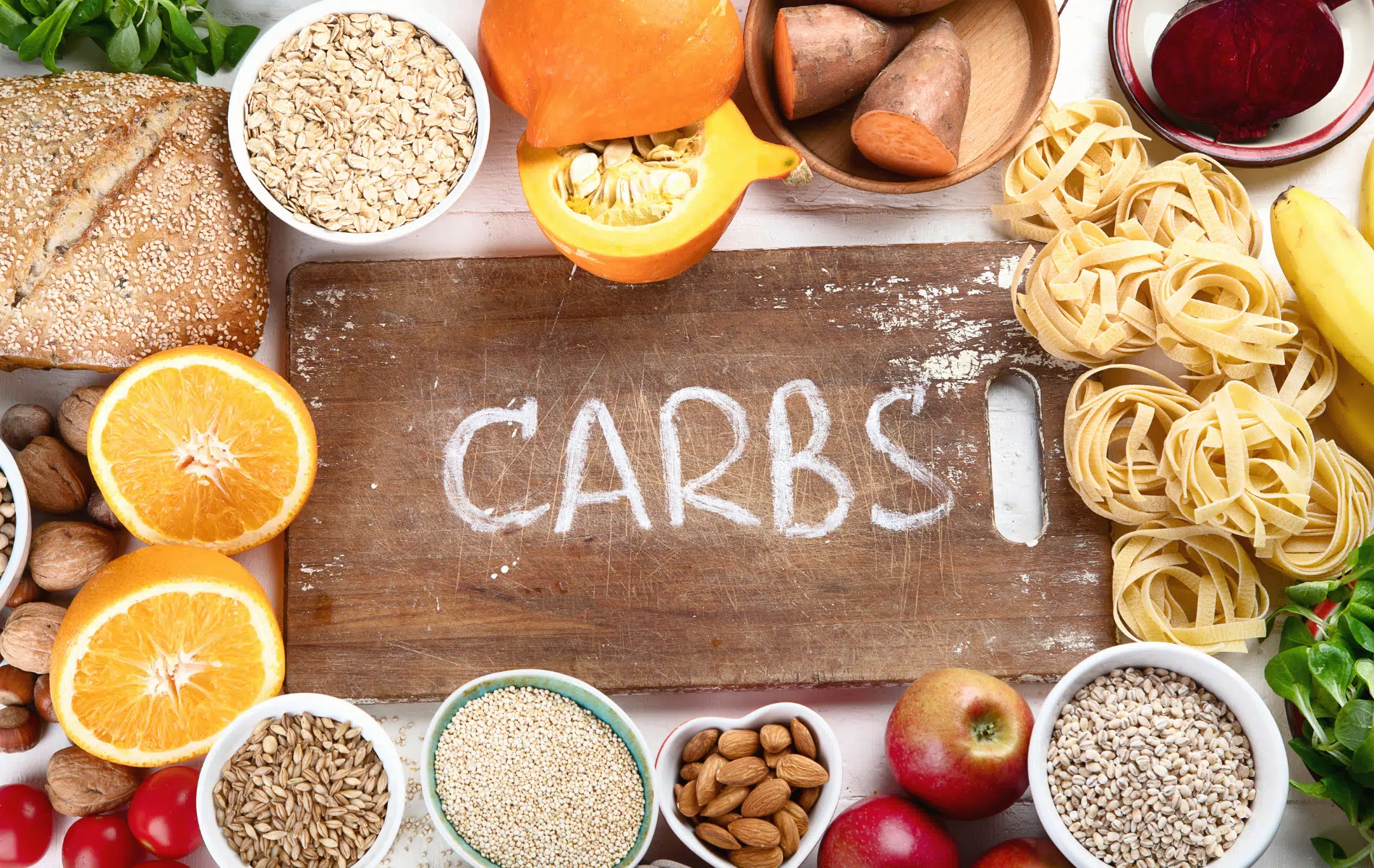
There are three types of carbohydrates: sugar, starch, and fibre, and they are all composed of sugar molecules. However, when we talk about sugar, we are referring to a type of carbohydrate called simple carbohydrates, which contain one or two sugar molecules. On the other hand, complex carbohydrates, such as starch and fibre, consist of many more sugar molecules.

Simple carbohydrates are quickly absorbed by the body due to their simple molecular structure. They lead to rapid spikes in blood sugar levels, and the body needs to work hard to regulate and remove the excess sugar. If the calorie intake exceeds our body’s needs, it can result in initial fat/weight gain. It’s essential to control blood sugar levels for effective weight management. Regularly consuming sugars in our meals puts us at risk of developing chronic and inflammatory diseases, including obesity, diabetes, arthritis, atherosclerosis, cancer, autoimmune conditions, and more. As you can see, sugar is not solely related to weight gain and dental problems. Additionally, sugar can create addictive tendencies similar to drugs, as it activates similar brain pathways and can lead to withdrawal symptoms when consumption is reduced. The more sugar you have, the more you’ll crave.

Complex carbohydrates, like starch, take longer to be digested and absorbed by the body. However, it’s still a relatively fast process. So, what can we do to reduce simple sugar content in our diet and still enjoy our food? After all, eating is one of life’s great pleasures, wouldn’t you agree?

The following Low Carb Tips are crucial to reducing sugar content in your diet, balancing sugar levels, and reducing inflammation in your cells while still enjoying your meals:

Eat a diet high in fibre. This will slow down the absorption of sugar from the small intestine into the bloodstream. Include plenty of leafy greens and non-starchy vegetables in your meals. Fibre also provides satiety without excessive calorie intake.

Include lean and clean protein in every meal. Protein will increase satiety and help reduce carbohydrate consumption. Dietary protein supports muscle growth, and maintaining good muscle mass enhances metabolism efficiency, aiding weight loss.

Avoid empty calories found in processed and packaged foods. Instead, choose nutrient-rich, fresh foods. Did you know that when your body receives all the necessary nutrients, sugar cravings minimise?

Opt for whole fruits instead of juices, dried fruits, or artificially sugary foods. Whole fruits contain fibre, which helps stabilise blood sugar levels and prevent weight gain (fat gain).

Increase your intake of plant-based fats slightly. Healthy fats nourish your cells and contribute to their proper functioning. Our cells are partially composed of fats, and ensuring their health impacts weight management and overall well-being.

Drink a glass of water before each meal. Water has no calories but provides a feeling of fullness, aiding in better food choices. Hydration is crucial for weight loss, as all bodily reactions are water-based.

Consider having a protein shake as a snack. Consuming an extra serving of protein per day increases satiety, boosts metabolism, and reduces the temptation to have sugary snacks.

Now you have a better understanding of what carbohydrates are and how they can impact our health, both negatively and positively. Always remember, we are what we eat and what we don’t eat. Let food be your medicine, and you will live a fuller and happier life.

If you want to have a personalised diet plan with all food groups and eat well for weight management or optimal health, book a consultation with one of the nutritionists and dietitians of my team in London. Click here to book now.

Vegan Diet: How Does It Work?

How Vegan diet works

Vegan diet: how does it work?

A vegan diet comes from the philosophy of veganism, so let’s understand what veganism means.

What is veganism?

Veganism is a lifestyle and ethical choice, aimed at minimizing animal exploitation and cruelty. For this reason, the vegan diet is a plant-based diet, free of all animal foods such as meat, dairy, eggs, and honey.

People who adopt veganism in their lives can enjoy a varied and nutritionally rich diet and nothing monotonous as some might perceive. Vegans eat any type of plant food origin, such as cereals, fruits, vegetables, tubers, vegetables, roots, mushrooms, and seeds, among others and the inclusion of different foods ensures a different range of nutrients.

Many people confuse a vegan diet with a vegetarian diet, know the main differences:

  • Ovo-Lacto-vegetarian: it does not eat meat, but it consumes foods of animal origin (milk, eggs, and honey, for example).
  • Lacto-vegetarian: it does not eat meats and eggs, including products that use eggs as an ingredient. But include dairy.
  • Strict vegetarian: DO NOT EAT anything that is of animal origin.
  • Vegan: DO NOT CONSUME anything that is of animal origin, either in food, clothing or other aspects of life.

Compared to vegetarian diets, vegan diets generally tend to contain less saturated fat and cholesterol, and more dietary fibre. These factors can contribute to lower body weight, lower cholesterol and lower blood pressure which reduces the risk of cardiovascular disease.

A well-planned vegan diet can supply most of the nutritional needs of vegans through the intake of vegetables and can supply all the necessary protein through beans, lentils, nuts, and seeds, among others. Protein for vegans is one of the main areas that we notice in the clinic that needs to be adjusted when a vegan person comes to the clinic for a personalised vegan diet. Usually, the protein content is very low when not monitored properly. To know if the vegan diet is well-balanced, the vegan needs to follow a nutritional approach with a vegan nutritionist who can adapt the diet and can supply all nutritional demands.

On the other hand, there are some disadvantages of being a vegan, such as the lack of certain nutrients found only on animal foods, limited options for supplements and medicines and gastro discomfort as many vegan foods can worsen symptoms such as Irritable Bowel Syndrome. The advantages of being a vegan were listed above and we showed that it can be a healthy life choice. 

It is recommended that vegans take regular laboratory tests to evaluate the deficiency of some vitamins, which may require the ingestion of fortified foods or supplementation. 

At Raquel Britzke Clinic in London, we have specialised nutritionists to help vegans and vegetarians and we conduct blood tests to assess the deficiency of key vitamins. Before deciding to change consider the vegan diet’s advantages and disadvantages. If you are a vegan or vegetarian or you want to make the transition to become one, seek professional help and enjoy healthy and well-balanced meals tailored for you. Find out more here.

6 Steps to Keep Yourself Motivated

Steps to keep motivated for weight loss

Tips to keep yourself motivated for weight loss

Think About Why You Want to Lose Weight

Having a clear reason in mind for why you want to lose weight helps you stay motivated. If your reason is vague, you might give up easily. For example, you might want to improve your health, live longer, or feel good in a bikini.

Set Long-Term Goals

The best way to lose weight and maintain your weight loss is by setting long-term goals. See the weight loss journey as a new lifestyle, adopting new habits into your daily routine. For instance, cooking from scratch for you and your family, trying new healthy recipes, or packing your lunch box.

Set Realistic and Specific Goals

With the help of a nutritionist in London, you can set realistic and specific goals. Be as specific as possible to keep yourself motivated. The higher the expectations, the higher the chance of giving up. Be honest with yourself about what is achievable. For example, “I want to lose 10 kgs in 12 weeks for my summer holiday.”

Visualise Yourself Slimmer

If you have a past picture of how you would like to look again, or if there is a role model that inspires you, keep that image in sight. The more you look at it, the more focused and motivated you will be. Think about how good and healthy you felt when you were slimmer. For example, stick the image to your fridge, computer, or wardrobe.

Challenge Yourself

If you have started the weight loss programme with a nutritionist, challenge yourself with small changes. For instance, if you eat too fast, always have distractions while eating, can’t resist biscuits around the office, find excuses to skip exercise, or don’t like drinking water, try doing the opposite. Create your own 7-day challenge and feel good about yourself every time you complete it.

Reward Yourself with Non-Food Treats

Keep yourself motivated by rewarding yourself for every short or long-term goal achieved. Remember, you can find different ways to treat yourself that are not food-related. For example, buy some flowers, book a spa day or a massage, treat yourself with beauty products or books, or take a long and relaxing bath.

For personalised guidance and support, consider consulting a nutritionist who can help you achieve your weight loss goals effectively and sustainably.

Why Exercises Won’t Make You Lose Weight?

Exercises For Lose Weight

Why I am killing myself in the gym and I don’t see weight loss results?

Have you ever thought about losing weight and the first thing you did was to enrol in the gym or go for a run? You are not alone. The first step that many take when they want to lose weight is to do exercises: running, gym or functional training. But this is a wrong concept. The truth is that doing exercises will not help you lose weight, why? Here are the facts:

Because the exercises will not be able to compensate for a bad diet. Here’s an example: if you walk 30 minutes you burn 200Kcal, which represents only 4 cookies or one ice cream (Sunday).

It is disproportionate how many exercises you have to do to burn just a few more bites. You have to climb several floors of a building to burn off a few calories.

Collaborating with this, studies have already revealed that:

  1. Exercise alone does not lose weight.
  2. Caloric expenditure generated by aerobic exercise does not promote weight loss.

Furthermore, doing exercises can greatly increases your hunger and if you do not know how to make the right food choices you can end up eating a lot more calories than you should in the day, which will not make you lose weight!

I recommend the practice of exercise, of course, mainly for the benefits already proven to our physical and mental health and also to prevent diseases.

So what should we do to lose weight?

To lose weight you need to generate a calorie deficit which is something that exercise will rarely achieve. To burn 1 kg of body fat you need to be in a calorific deficit of 7000kcal / week. So you need to follow a calculated diet according to your metabolism that will be effective for your weight loss! The correct combination of macronutrients (protein, carbohydrates, fats), the right balance of vitamins and minerals and the right portion sizes will cut the path short. You will lose weight healthily and avoid frustration.

So do not waste your time in the gym if you purely want to lose weight, focus your energy on following a diet and seek the help of a nutritionist! Do go to the gym or practice sports to be stronger, build leaner mass, increase feel-good hormones, socialise and for fun. 

Wanting to lose weight just through exercise, as evidenced by the studies, is like wanting and trying to fill your pool with a glass. Studies show us that slimming through exercise works ONLY if there is an intervention in the individual’s diet.

“(Physical Activity) is the best medicine ever created! But it’s a non-weight loss remedy. “Yoni Freedhoff, University of Ottawa.

If you are seeking help to lose weight in a very efficient and science-based way, our team of weight loss nutritionists can help you to achieve the most in a short time. Find out more here.

After All, What Is a Low-Carb Diet and Its Benefits?

Low-Carb Diet and Its Benefits

Much has been heard about the low-carb diet, which, as its name implies, is a diet strategy with low carbohydrate intake and increased intake of healthy fats and proteins. 

What is a low-carb diet?

Traditional diets and nutritional guidelines recommend eating 50-60% of the daily calories from carbohydrates. However, excessive consumption of carbohydrates (bread, crisps, sweets, sugary snacks and drinks, pasta, rice, potatoes, and chips)  has been contributing to people’s weight gain because the carbohydrates that are not used as an energy source end up being stored as fat and stimulate the release of the insulin hormone that favours weight gain, insulin resistance, and increased hunger. The problem is that the carbohydrates consumed as a snack are usually high in energy as well and don’t fill you up. 

Generally speaking, a low-carb diet ranges from 10-40% carbohydrates to the total energy value of the diet and may range from a more restricted low carb diet (ketogenic diet) to a moderately low-carb diet. A low-carb diet can include carbohydrates, as it is not a no-carb diet. For example, it might include rice or potatoes for lunch or oats for breakfast. The key is the portion size and the combination of carbs, proteins and natural fats.

How to start on a low-carb diet?

The basics of a low-carb diet are: avoid eating ultra-processed and processed foods and prefer real food. Different from what many imagine the low-carb diet is not based only on eggs and bacon the basis of the low-carb diet is vegetables, some types of fruits in the correct amount, healthy fats present in nuts, olive oil and proteins present in eggs, meats, fish, and chicken.

What are the benefits of a low-carb diet?

In a low-carb diet, the process of slimming occurs, therefore, the body gets energy from the fat stored in the body. Because of the adjustment period, some people may feel some symptoms like a headache, weakness, dizziness, and irritability, which are symptoms that disappear in a matter of days. Here is a list of 10 benefits:

    1. Increases satiety – The greater amount of natural fats combined with proteins and vegetables, gives you a sense of satiety compared to a diet high in carbohydrates (half-plate carbs). Also feeling fuller for longer decreases appetite.
    2. Weight loss and body fat loss – decreasing carbohydrates has shown to be very effective for body fat loss. Since carbohydrates contribute to the rise of the hormone insulin which is responsible for the storage of fat and prevention of using fat storage as a fuel, when we consume less carbohydrates we produce less insulin and our body works more efficiently to use body fat storage as a fuel. 
    3. Blood glucose control – low carb diet is proven to be very efficient in the control of glucose levels and even reversing pre-diabetes and diabetes type 2
    4. Treatment for PCOs – a very efficient treatment for Polycystic Ovarian Syndrome. As women with PCOs have higher insulin sensitivity, it makes sense to control sugar and carb intake.
    5. Improve cholesterol and triglycerides – most people think high triglycerides and cholesterol are due to a high fat diet. Indeed, a diet high in trans fat and unhealthy fatty processed foods can contribute to high cholesterol levels in your body. But the most efficient way to keep your cholesterol and triglyceride levels controlled is to consume a low-carb diet with a range of vegetables, and natural fats like oily fish, olive oil, nuts, seeds, and avocados.
    6. Foods with more flavours – You can make a range of healthy recipes with all vegetables, lean meat, nuts, olive oil, oily fish, avocados, kiwis, berries, seeds and so on.
    7. Foods with more nutrients – low-carb foods tend to be more colourful and consequently have more vitamins and minerals as well as other healthy compounds like antioxidants that come with all the goodness for our body.
    8. Reduction of blood pressure – A low-carb diet is an effective way to reduce blood pressure and prevent cardiovascular diseases as it helps to control insulin levels. High insulin levels contribute to high blood pressure.
    9. Treatment for metabolic syndrome – metabolic syndrome is a condition related to diabetes type 2 and heart disease. It includes high blood pressure, abdominal obesity, high triglycerides, and low HDL (good) cholesterol. Following a low-carb diet guided by a nutritionist can prevent or eliminate the risk of any of these diseases.
    10. Easy to maintain as a long-term lifestyle – low-carb foods are real and natural foods, easily available worldwide. They are cheap and delicious.

 Is a low-carb diet suitable for everyone?

Most people can do a low-carb diet however it is important to be accompanied by a professional nutritionist near you who will choose the best strategy for you according to your goals and health. Find more here.

If you have any of the symptoms above or want to prevent any of the above, book your appointment with a nutritionist from our team and have a personalised low-carb diet for your health and eating habits. 

Vitamin Deficiencies: What are the Main Signs and Symptoms?

Vitamin deficiency signs and sympotoms

Vitamins Explained by a Nutritionist in London

Vitamins are called essential micronutrients because they are necessary to the body in small amounts, but they are essential for the maintenance of good health.

The body does not store most of the vitamins. The deficiency of these vitamins usually develops in weeks to months. Therefore, people should consume them regularly. Vitamins A, B12, and D are stored in significant amounts, especially in the liver. Vitamins A and D are also stored in adipose cells (fat cells).

Some vitamins (A, D, E and K) are lipo-soluble which means they are absorbed in fat and we store them. Others, like vitamins B and C, are water-soluble. B vitamins include biotin, folate, niacin, pantothenic acid, riboflavin (vitamin B2), thiamine (vitamin B1) and vitamins B6 (pyridoxine) and B12 (cobalamines). The water soluble vitamins excess usually are efficiently eliminated by our urine.

The state of nutritional deficiency occurs when the intake of nutrients does not correspond to the needs for optimal health of an individual. With this, there are some signs and symptoms that we should be aware of.

Some examples of nutritional deficiencies of the major vitamins:

Vitamin A

Vitamin A is related to immune functions, skin health, vision, reproduction and cellular communication.

Signs and symptoms of deficiency: increased risk of infections; night blindness; dry skin and hair; recurrent conjunctivitis; colour blindness; infected and ulcerated eyes; macular degeneration and acne.

Vitamin C

Vitamin C is a powerful antioxidant and prevents various diseases.

Signs and symptoms of deficiency: Dry skin, dry or brittle hair, bleeding gums, delayed wound healing, immune problems – colds and recurring flu, tooth loss, anemia, nose bleeding, bruising, muscle weakness and fatigue.

Vitamin E

Vitamin E is an antioxidant that protects cells and prevents muscle weakness and neurological problems.

Signs and symptoms of deficiency: Eye problems such as retinopathy and cataract, skin problems such as acne, wounds, scars and stretch marks; mild anemia; fertility problems and abnormalities in brain function.

Vitamin B12

This vitamin plays a key role in the functioning of the brain and nervous system, as well as in the formation of red cells.

Signs and symptoms of deficiency: Numbness and twinges in the hands, legs or feet; lack of balance; anemia; swelling or inflammation of the tongue; jaundice (yellowish skin); weakness; paranoia and hallucinations; lack of air; cognitive difficulties and loss of memory and loss of vision.

Complex B Vitamins

Other B vitamins include B1 (thiamine), B2 (riboflavin), B3 (niacin), B5 (pantothenic acid), B6, B7 (biotin) and folate. One of their very important functions is to aid in the metabolism of nutrients in our body.

Signs and symptoms of deficiencies: vision problems; fatigue; adrenal insufficiency; oedema (fluid retention); pallor and dandruff.

Vitamin D

Vitamin D plays an important role in the immune system and promotes bone growth.

Signs and symptoms of deficiency: overweight or obesity; depression; bone pain; low mineral density in bones; osteoporosis (porous and brittle bones); osteomalacia (softening of bones); rickets (a disease that causes severe bone deformities) and muscle weakness.

Other nutritional deficiencies and risks

There are other symptoms related to nutritional deficiencies not only of these vitamins but of minerals as well, so it is ideal that everyone undergoes periodic nutritional screening throughout life by a nutritionist to perform nutritional assessments regularly.

The consumption of large amounts (megadoses) of certain vitamins (usually supplements), without the supervision of a professional, can have harmful effects.

In order for these deficiencies to be identified, it is important to do a blood tests for vitamins.

At Raquel Britzke Clinic in London, we perform blood tests for the main vitamins (A, C, E, B1, B2, B6, B12, and folate). If you are concerned and have one or more of the symptoms above seek professional advice.

For more information about the vitamin blood test contact us on WhatsApp so we can arrange it for you.. If you rather book a consultation with a nutritionist in London near you click here.

Get to know the different types of proteins

proteins for weight loss

Different types of proteins are present in thousands of foods and should be eaten in adequate amounts according to each metabolism to help regulate body activities.

But, what are proteins?

They are substances formed by various amino acids, which perform numerous functions in the body since all organs require a type of amino acid to generate their function or stimulus.

Proteins are beneficial to health because they can control the digestion and absorption of other nutrients, help boost immunity, carry oxygen in the blood and to the muscles, improve energy and muscle contraction, as well as are associated with hunger and satiety hormones.

How proteins can aid weight loss?

Protein consumption should be divided throughout the day according to the number of meals. This subdivision will stimulate the process of reducing body fat and maintaining muscle mass or synthesis. The amounts and sources of protein consumed to ensure the effectiveness of weight loss depend on each person’s life habits.

Proteins generate effects that enhance weight loss, the body uses energy to digest and absorb these nutrients. As the digestion process is over, the production of digestive enzymes and satiety hormones is increased to break down and absorb the proteins, as well as hunger is reduced because there is less production of insulin, and the next mealtime is extended. As a result, the total calorie intake of the day decreases, the choices of food sources become better and weight loss occurs healthily.

Check with a nutritionist specialised in weight loss the right amount of protein you should consume for weight loss results.

weight loss transformation

Did you know that different types of proteins can be consumed?

There are two types of protein sources: animal sources and vegetable sources. The consumption of these two sources can simultaneously occur when legumes (vegetable protein) and all kinds of meat (animal protein), for example, are consumed at the same meal (lunch or dinner).

The vegetable food sources that contain a large amount of protein are lentils, beans, tofu, chickpeas, almonds, chia seeds, peas, and quinoa. Examples of animal protein sources are eggs, fish and seafood, milk and dairy products, meats, and poultry.

And how can you add these proteins to your daily eating routine?

You must eat at least one protein source in every meal of the day. For example, you can have eggs for breakfast; meat, beans, and quinoa at lunch and fish or tofu at dinner.

In summary, proteins are essential nutrients that play a critical role in various bodily functions, from supporting muscle contraction to regulating hormones related to hunger and satiety. Consuming an adequate amount of protein, tailored to individual metabolism and lifestyle, is essential for maintaining overall health and aiding in weight management. By including both animal and plant-based protein sources in your diet, you can ensure a balanced intake that promotes muscle synthesis, enhances digestion, and supports sustained energy levels. For personalised advice on protein consumption, consulting a nutritionist is recommended to achieve optimal health and weight loss goals

What is the Difference Between Food Intolerance and Food Allergy?

Food Intolerance and Food Allergy

DIFFERENCES BETWEEN FOOD INTOLERANCE AND FOOD ALLERGY

What is food allergy and food intolerance?

Food allergy
The immune system’s reaction (defence of the body) against something (allergen) that seems strange, usually proteins that, can be derived from food, dust mites, pollens and animal hair.
Food intolerance
The difficulty of the body to digest a specific food is usually due to a lack of any relevant substance, such as digestive enzymes. It can be due to metabolic diseases, intoxications and other disorders.

Body response:

Food allergy
Immediate, exaggerated, abnormal
Food intolerance
Reactions are delayed and occur several hours or days after ingestion

Quantity of substance to cause adverse reaction

Food allergy
Minimum quantity is needed and the body will react every time you eat the food.
Food intolerance
It may depend on the amount of food you eat and level of intolerance to cause any symptoms.

Symptoms

Food allergy
In general: cramps, vomiting, diarrhoea, stool bleeding, skin rash (urticaria), respiratory system (wheezing), and even more severe such as glottic oedema and anaphylactic shock (pressure drop with loss of consciousness), as well as general symptoms such as difficulty in gaining weight and growth.
Food intolerance
In general: gas, diarrhoea, bloating, heartburn, constipation, migraine, eczema, joint pain

Tests to detect

Food allergy
Blood test or skin test
Food intolerance
Guided elimination diet (IgG testing may be used as a supportive tool alongside dietitian assessment)

Antibodies involved

Food allergy
IgE (Immunoglobulin E)
Food intolerance
IgG (Immunoglobulin G)

Treatment

Food allergy
Exclusion of the food or substance in combination with mediterranean diet.
Recommendations: a diet with minimally processed foods and rich in foods that support natural detox (prefer organic and nutrient-rich diet – avocado and pomegranate are sources of glutathione, a natural detoxifier). Peppermint to reduce histamine, ginger to improve GI symptoms, and turmeric to improve digestion and intestinal permeability. Label reading. Completion of a food diary correlated with symptoms.
If symptoms disappear, progress to a gradual reintroduction diet with medical supervision.
Food intolerance
The elimination diet is recommended for 4 to 12 weeks. If the patient has not undergone food sensitivity testing – the standard exclusion diet for sensitivity-causing foods (more restrictive) can be used. The nutritionist will guide you on how to eliminate and re-introduce the foods you are intolerant. In some cases, depending on the degree of the intolerance, it’s enough just to reduce the frequency and quantity consumed. If gastrointestinal symptoms are present the nutritionist may suggest a Low FODMAP Diet.
Recommendations: a diet with minimally processed foods and rich in foods that support natural detox (prefer organic and nutrient-rich diet – avocado and pomegranate are sources of glutathione, a natural detoxifier). Peppermint to reduce histamine, ginger to improve GI symptoms, and turmeric to improve digestion and intestinal permeability. Label reading. Completion of a food diary correlated with symptoms.
Frequently asked question: if I am intolerant to cow’s milk, should avoid all dairy?
Some individuals might be intolerant to cow’s milk but they can tolerate milk products like yoghurt and cheese as they contain less concentration of the proteins that cause intolerance.

Types of food that cause allergy or intolerances

Allergy

Food components that cause allergy the most are cow’s milk, eggs, soy, wheat, crustaceans, citrus fruits, peanuts and nuts.

Intolerance

Food components that cause intolerance the most are cow’s milk, gluten, yeast, eggs, and nuts.

At the Raquel Britzke Clinic in London, we offer food allergy and food intolerance assessments to help identify potential food reactions using a small blood sample as one of several supportive tools. Understanding the differences between allergy and intolerance can be an important first step in supporting your health and quality of life.

In our food intolerance assessment, we analyse 200 types of food. Our allergy test panel includes the most common foods and environmental substances like dust, mites, pollen, etc.

Please note: IgG food intolerance testing is used by our clinic as one of several supportive tools to guide dietary assessment alongside a qualified dietitian. It is not a standalone diagnostic test and is not currently recommended as such by the NHS or the British Dietetic Association (BDA). If you have concerns about food allergies or digestive symptoms, we recommend speaking with your GP or a registered healthcare professional.

Click here to order your food intolerance test or contact us on WhatsApp to find out more information.

What Causes Migraine and How a Nutritionist Can Help?

Migraine headache causes

What is migraine?

Migraine is a neurological disorder (nerves and brain system) that tends to be a very strong headache usually with a pulsing sensation in one side of your head. It is very common and there are things you can do to try to help. 

Migraine usually last between 2 hours to 3 days. The frequency varies, as some people might have migraine several times a week and others not so often.

Some of the side effects of migraine include feeling very tired even 2 days before the bad headache starts, lasting until after 2 days it stops.

What causes migraine?

They are known to be triggered by stress, very intense physical activities, hormonal changes, low blood sugar, skipping meals, dehydration, alcohol intake, consumption of energy drinks, and the intake of some allergenic foods. Allergenic food include: gluten, milk and dairy, soy, corn, sugar, some citrus fruits, and eggs.

Migraine and nutrition

Let’s explore the role of nutrition in the attempt to manage migraine.

Did you know that a nutritionist can help you to manage migraine? That’s right. In our practice, we have helped people to manage their migraine by eliminating the foods they are intolerant.

There are some research and evidence showing that patients that test positive for food sensitivities have worse migraine, anxiety and gastro symptoms. If you suffer with migraine and you don’t know yet the reason, you might be intolerant to some food that cause migraine. so it is worth testing.

As mentioned before, generally, foods such as gluten, milk and dairy, soy, corn, sugar, some citrus fruits, and eggs can cause migraines because they are characterised as allergenic foods that result in body intolerances.

These intolerances occur when we eat the food and we can’t digest it properly. Thus, because of improper chewing, some smallest particles of food are released into the blood and can activate the immune system and produce inflammation in the body, which can be caused by an allergy, intolerance, itching, sneezing, and migraine.

However, not everyone who develops allergies/intolerances to these foods  will have migraines. It is necessary to check which food causes intolerance.

It is very easy and simple to test for food intolerances. Find out more here. 

Other ways to prevent migraine is to pay attention to your daily routine and here are some tips.

What should you include in the diet to prevent the Migraine Symptoms?

  1. Increase water intake to be well hydrated
  2. Healthy fats: Salmon, sardines, oilseeds (almonds, nuts), chia seeds, flaxseeds, sesame seeds and pumpkin seeds.
  3. Foods source of magnesium: Banana, oats, avocado, spinach, kale.

Which food should you reduce to prevent Migraine?

  1. Soft drinks, alcoholic drinks and energy drinks
  2. Processed foods, fried foods, sugars
  3. Milk and dairy products
  4. Carbohydrates: bread, pasta, cakes.
  5. Some citrus fruits: orange, lemon, kiwi
  6. Foods you tested positive for intolerance

What lifestyle changes should you do?

  1. Manage stress by engaging in relaxation activities
  2. Sleep between 7-8hours/day
  3. Avoid skipping meals

In summary, migraine is a neurological disorder, that can be caused by different factors. The frequency and intensity of migraine can vary to each person. There are ways to manage symptoms and try to prevent strong pain with nutrition and lifestyle.  

If you found this information useful and want to speak to a nutritionist near you, book your consultation by clicking below.

Do you know the difference between weight loss and body fat loss?

weight loss measurement with caliper

Did you know that losing weight has many meanings?!

You can lose weight by changing your body composition by losing fat or losing weight.

Step on the weighing scale and looking at the numbers decreasing is a reason to celebrate, but it might mean a loss of your total weight and not necessarily only fat loss. The difference between losing weight and losing fat is not shown by the scale, and even if it’s a great ally for the weight loss process, it does not define what is being lost in this body composition change.

Weight loss or measure loss can also reflect on the elimination of body fluids or muscle loss. By losing muscle, weight reduction is being incorrectly done and unhealthy, since muscle is a vital tissue that maintains health and activates metabolism its loss will result in a lack of energy, stress, lower mood during the day, increased osteoporosis and nutrient deficiency, among others.

Body fat is the portion of the body weight that should be eliminated in the healthy and correct weight loss process. When in excess, this tissue can cause damage to health as obesity, diabetes, and cardiovascular diseases, among others. The weight of body fat takes up more space in the body and is less compact than muscle, besides being a source of energy for the body, its elimination in the weight loss process takes longer.

To the loss of body fat and minimal reduction of muscle mass, the types and adequate quantities of food and liquids should be managed according to the metabolism of each person to the stimulus and body changes are continuous and healthy.

If you want to lose body fat and not only weight, come and visit our clinic of nutritionists in London specialised on weight loss. Achieve lasting results with right expert guidance and support.